MANOOMIN WAY OF LIFE
July 30, 2026
By Mashkodebizhlklgahbaw Benjl Sam
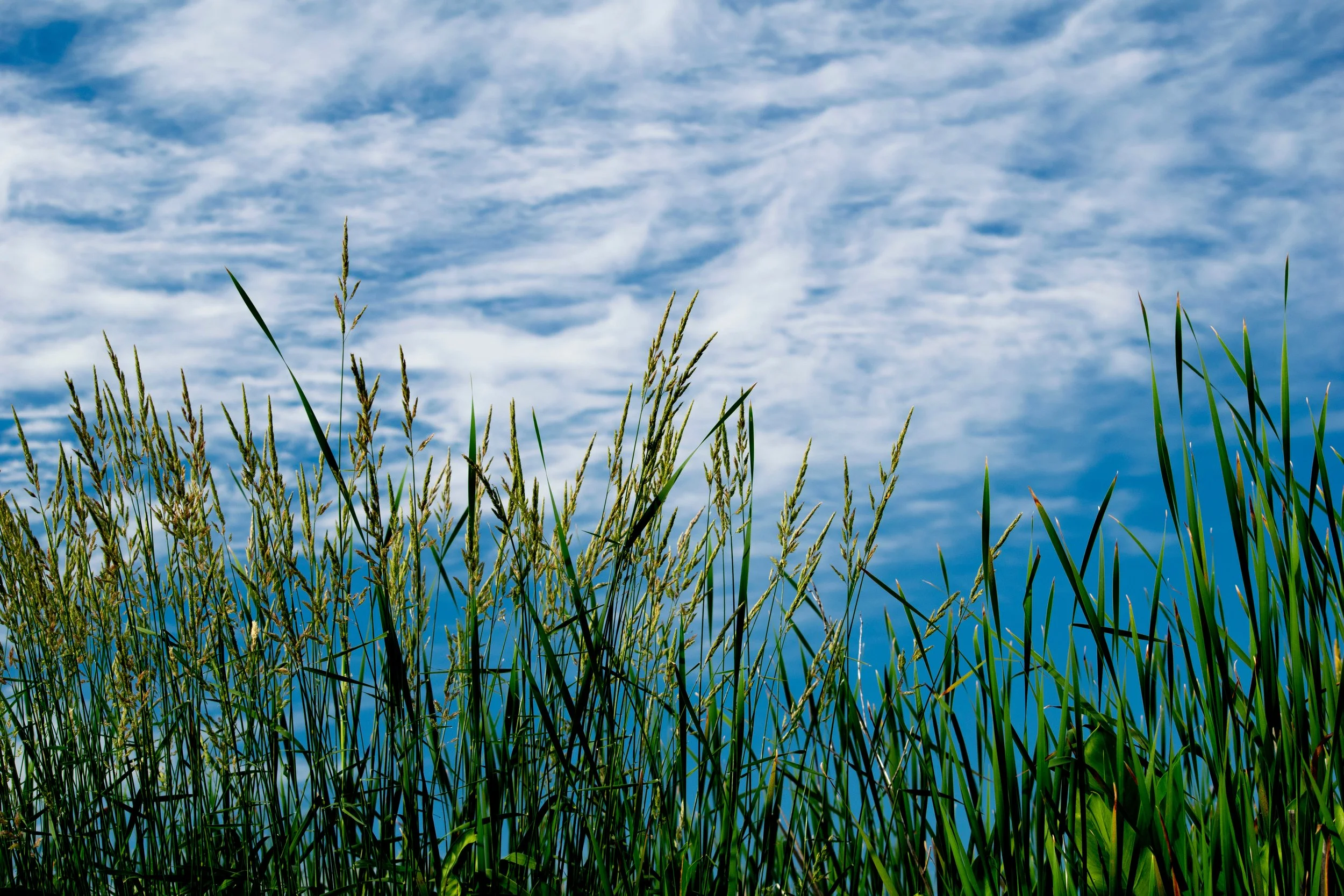
Emerging atop rivers and lakes in many Minnesota water ways sits a resource that has supported the Minnesota way of life throughout the entire oral history of Native People in this region. This food source is both sustainable and self-regenerating but is also delicate and susceptible to external factors is worth protecting. Manoomin, wild rice, is passed down in oral history as the driving force that led the Anishinaabe west to go "where the food grows on water." This is the story of wild rice, a success story not terribly unlike that of Indigenous people on this continent, and how one group of people can make a difference for the future of its continuation of success.
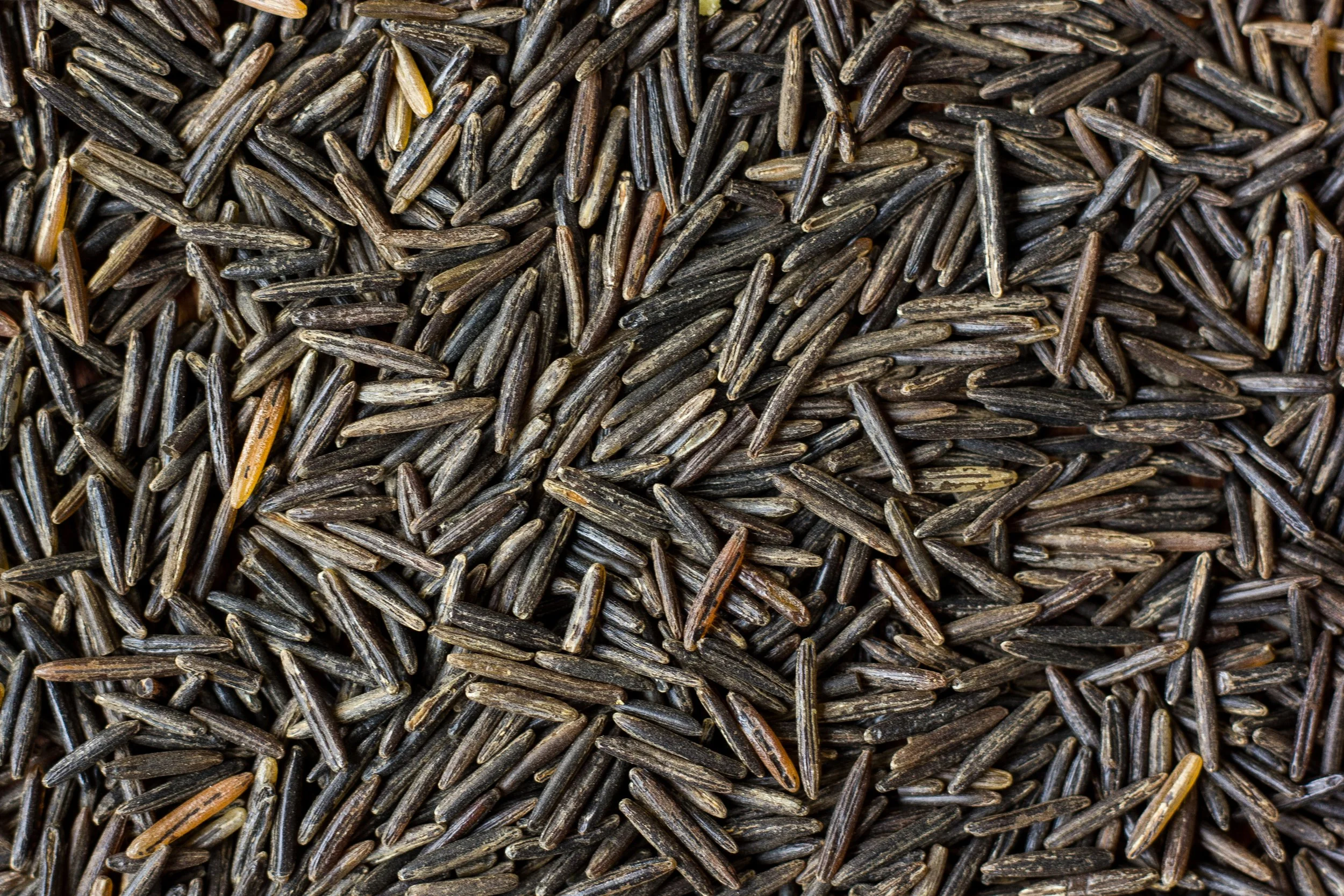
Wild rice is an aquatic grass that produces a long-grained seed that grows in the shallows of many lakes and streams throughout Minnesota, the state that leads the nation in acres of naturally occurring wild rice. Historically speaking, wild rice was present in at least 45 of the 87 counties in Minnesota. Manoomin, while a steadfast and successful story in the history of Ojibwe people in this region, has its fair share of challenges. Over-harvest, droughts, excessive rain, farming and chemical runoff, waterfowl damage, boat traffic, significant temperature swings, dams and other waterway diversions, and invasive species such as purple loosestrife, curly leaf pondweed, and others now pose threats to the success of this once plentiful food source.
What makes this resource so susceptible to external factors is its relatively short life cycle, completing an entire cycle in a single growing season. In late August to September, rice will fall off the stalk and sink to bottom, laying in a dormant phase until the conditions become just right. In the spring, seeds will germinate in these soft bottom areas, typically found in as shallow as just six inches of water out to three feet deep. This seeding process requires the right pH balance, oxygen and nutrients, consistent water levels, and ideally slow-moving water to create the perfect growing conditions for a successful harvest to come. Some research has shown that some seeds will germinate out to as long as five years after they drop from the stalk, assisting the potential for regrowth even through years that do not produce mature seeds for reseeding efforts.
As spring turns towards summer, typically in the month of May, wild rice enters the submerged phase where early leaf growth appears underwater and begins to ascend towards the surface. By mid-June, on most years, these leaves tum into thin blades that sit atop the waters surface known as the floating leaf stage. This is often the critical timeframe for wild rice plants as the plant is not yet mature. The young root system is at risk of high-water level changes, abruptly fastening water flow, and high winds that can contribute to failed plant maturation.
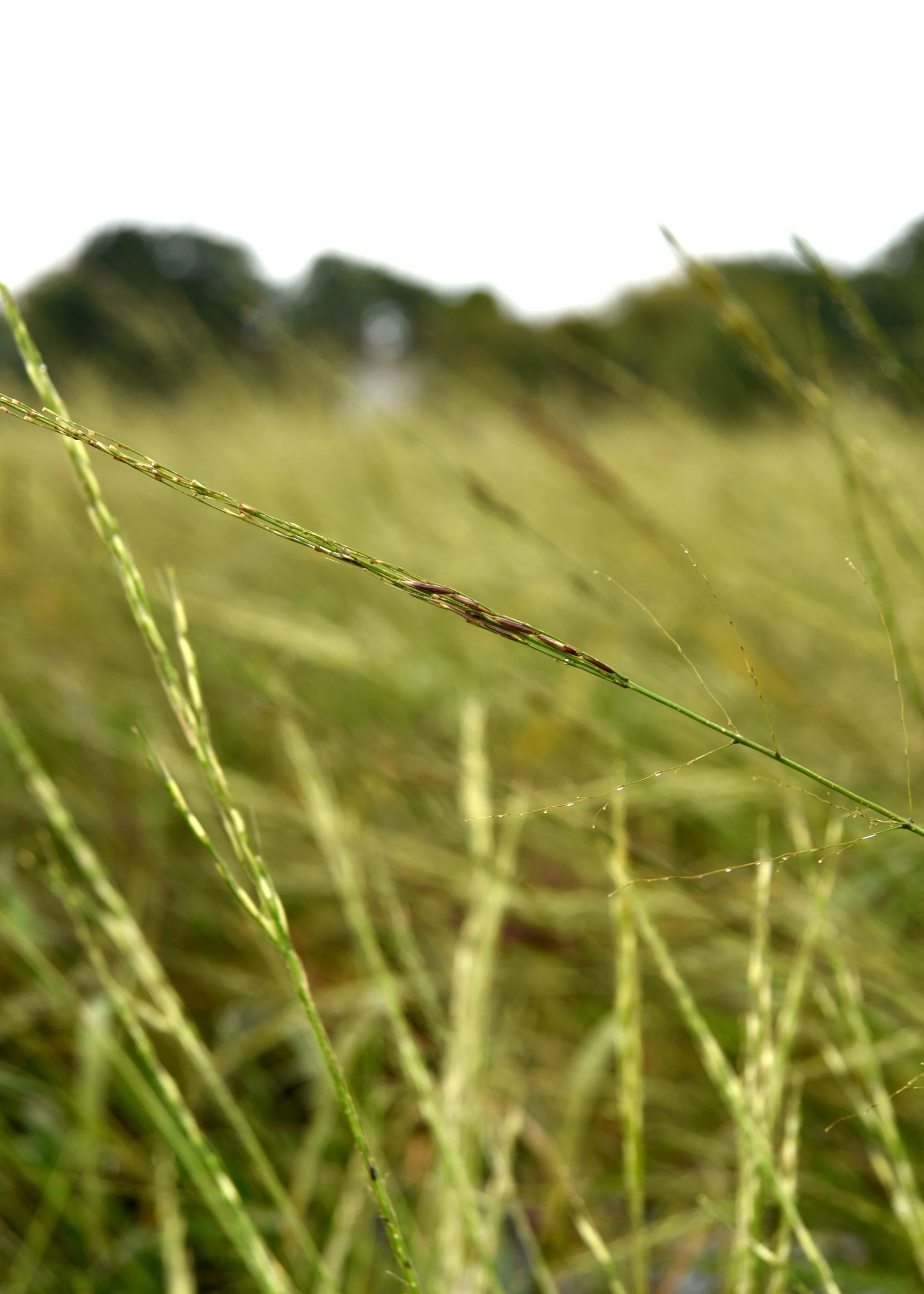
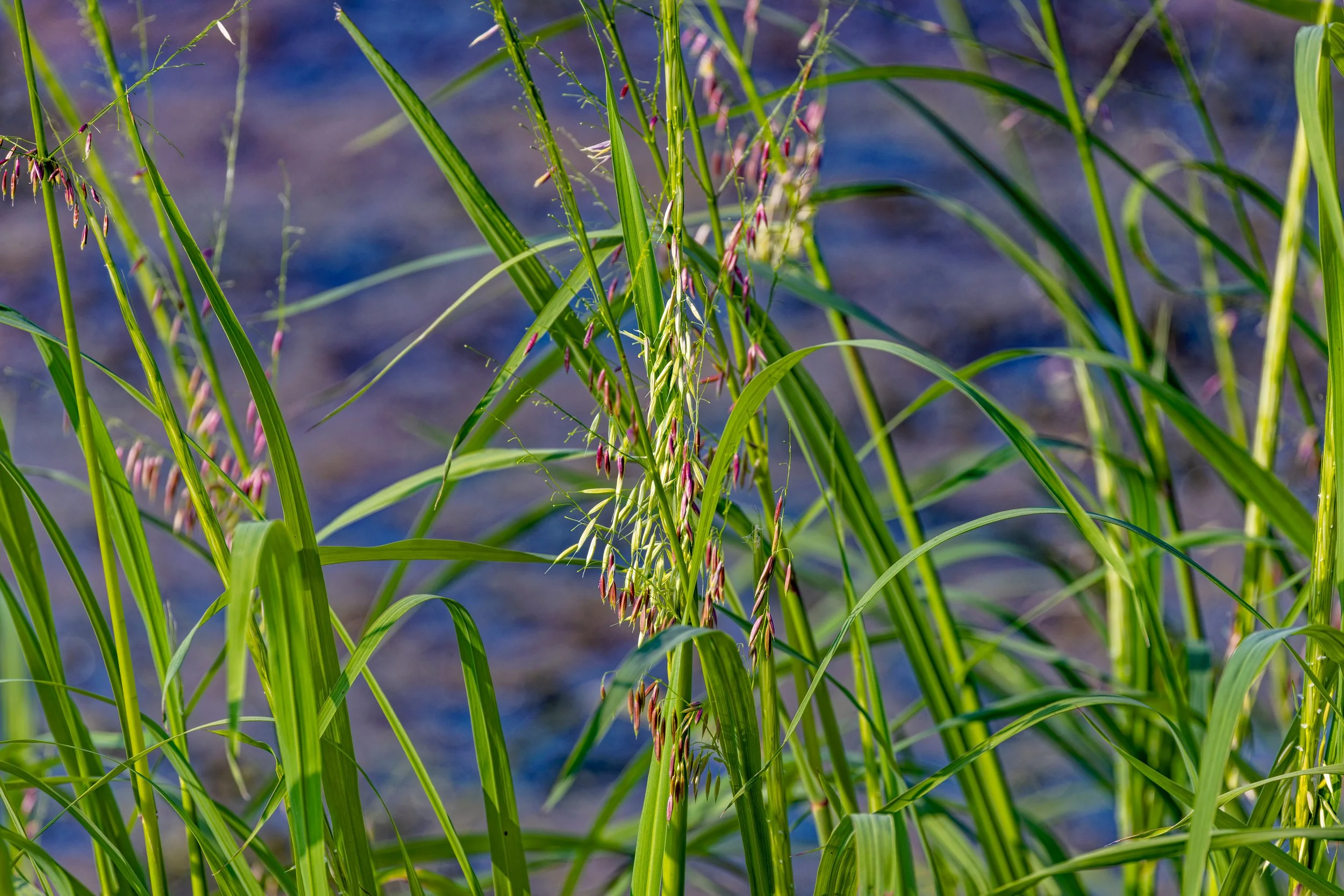
As late June arrives, the shoots begin to grow vertically out of the water in clusters that eventually become mature plants between two and five feet above the waterline. Over the next few weeks into mid-late July the plants turn into the flowering stage where stems tum into seed sheaths which open into both male and female flowers that open within days of each other to promote wind driven pollination. First, the female flowers will open and appear white in color, and three to four days later the males will open in yellow or pink blossoms that cross pollinate with plants next door.
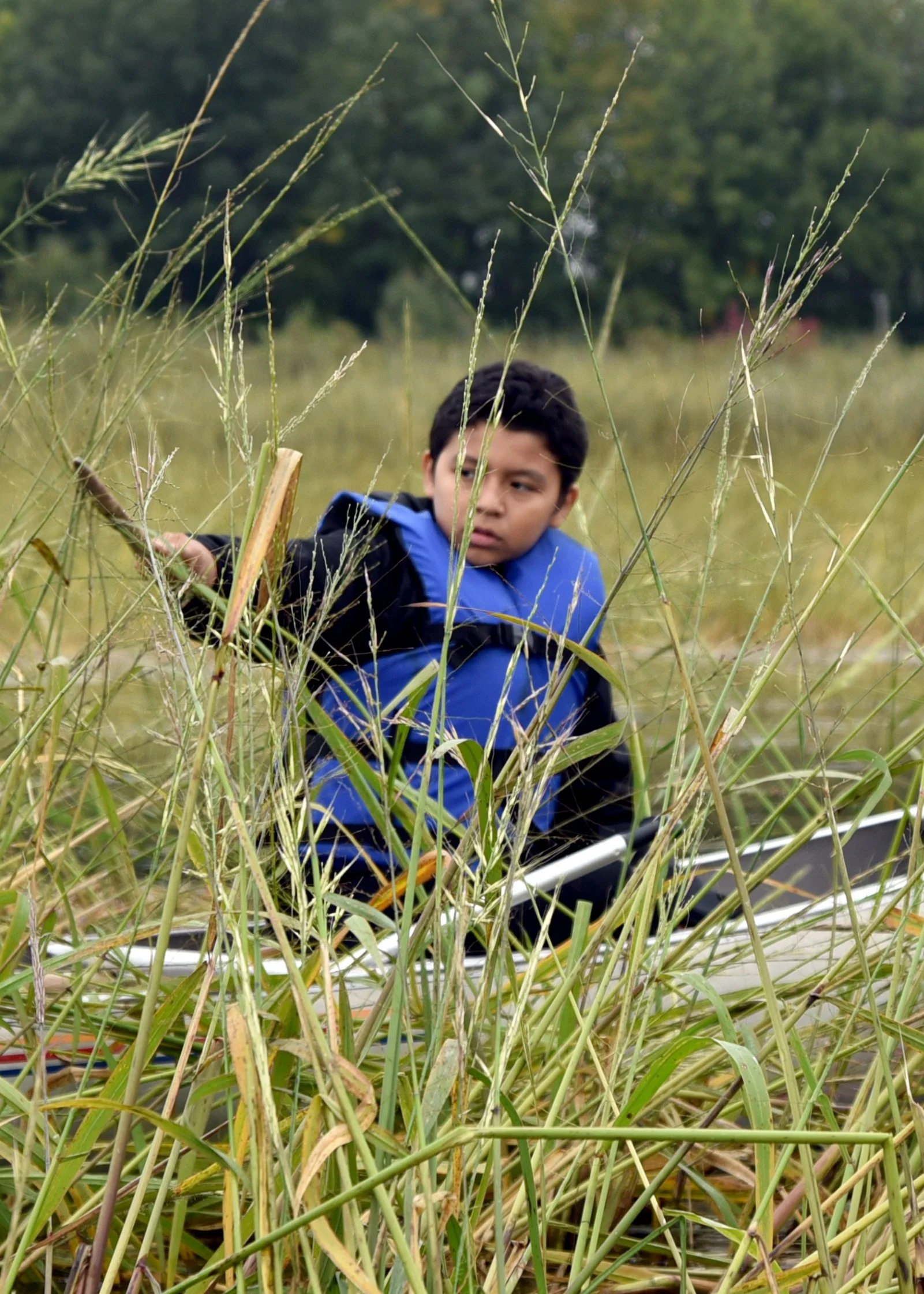
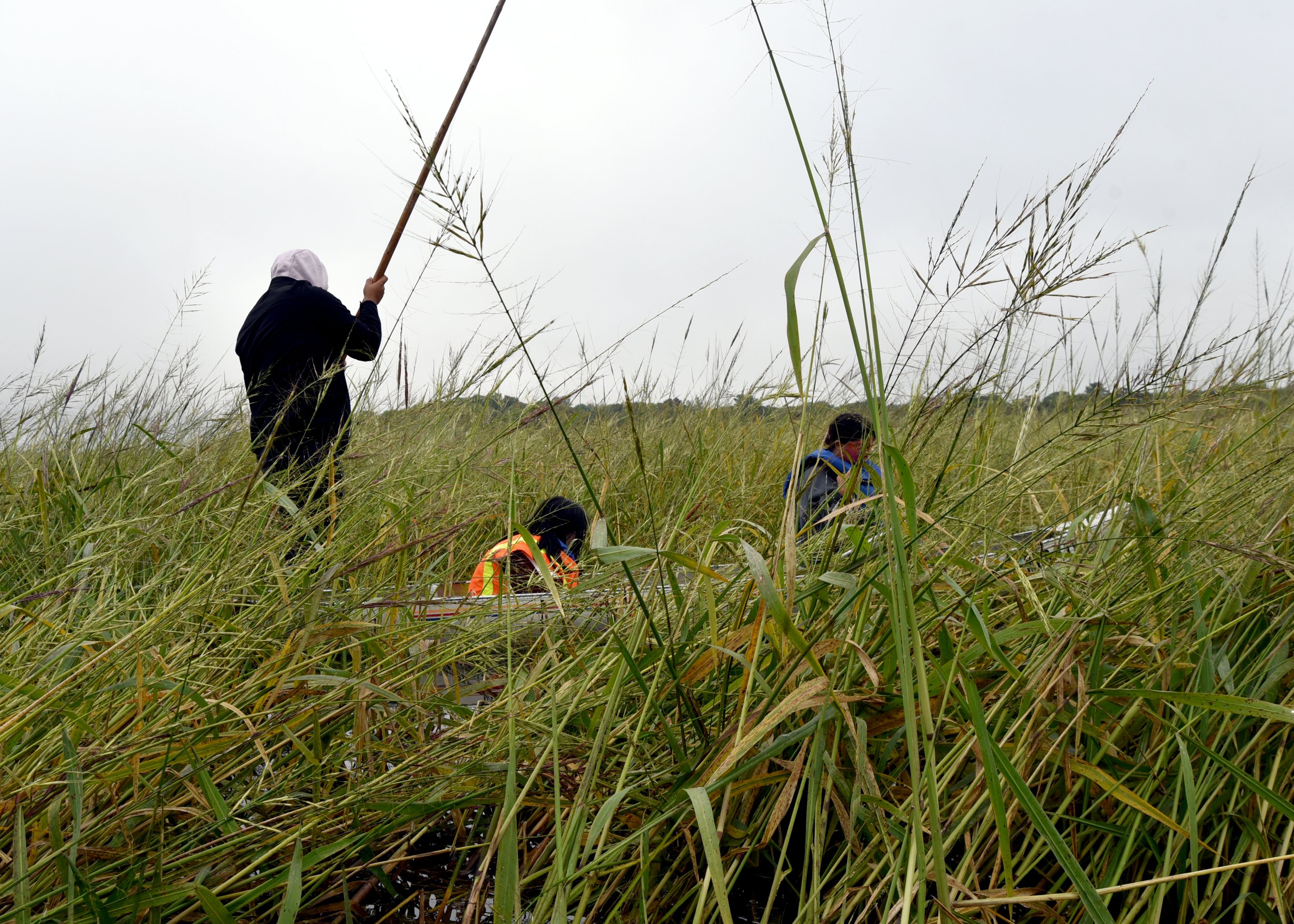
Once the seed sheaths fill in and seeds develop and mature, most often in the months of August and early September, seeds will take on average 10-14 days to mature and often mature in stages. This means that the rice crop will have various windows of healthy harvest once the first wave of seeds reach maturity and are ready to drop with the touch of a ricing stick. This is the ideal window for harvesting wild rice as stalks do not need to be struck with any force to gather rice in high quantity. It is estimated that mature and fully germinated rice crops can produce more than 500 pounds of rice per acre.
This ripening stage is an important and very tight timeframe because high winds and storming weather can cause these plants to drop their seeds, sinking into the depth of the lake, ready to germinate the future crop of rice before harvest can ever be attempted. Low water levels can also affect the ability to navigate a canoe through the rice beds as pushing a canoe full of rice out of a thick, matured rice crop is challenge enough for even the most veteran ricers.
Having healthy lake management includes water level management, rice crop densities, waterfowl management, and lake accessibility can lead to more successful harvests in the days to come.
IMPROVED LAKE ACCESS WITHIN THE MILLE LACS SERVICE AREA
The Mille Lacs Band DNA has taken this into account and has been able to work on improving access to many waters in all districts to improve lake access opportunity for tribal harvesters. Specifically, new docks and shore improvement strategies are underway on lakes in the tribal boundary including accessibility to Dean, Mallard, Onamia, and Anderson (Rat) Lakes which all offer respectable rice beds to fulfill tribal needs for sustainable harvest.
This project is part of a larger scale lake accessibility project to include adding a new handicap accessible dock at the District I cultural grounds, a second dock in the canal at the Powwow grounds access to improve flow during busy fishing season, new docking at the "JU's" property in Wahkon on Mille Lacs, and Griegs, Razor, Stevens, and Benjamin Lakes in District III.
At the time this article was written, the rice crop across central and northem Minnesota looked strong, the end of July into August will be a strong indicator for success or lack of this coming ricing season. To learn more about wild ricing, rules and regulations, please reach out to the Mille Lacs Band DNR office and as always practice safe harvest, offer your tobacco before going out on the water, and respect the resources that give the Anishinaabe the chance to maintain their historical way of life despite an ever-developing world around us.