
BUILDING FUTURES AT MLEE: KLOBUCHAR VISITS MILLE LACS DURING STATEWIDE TOUR OF HEAD START PROGRAMS
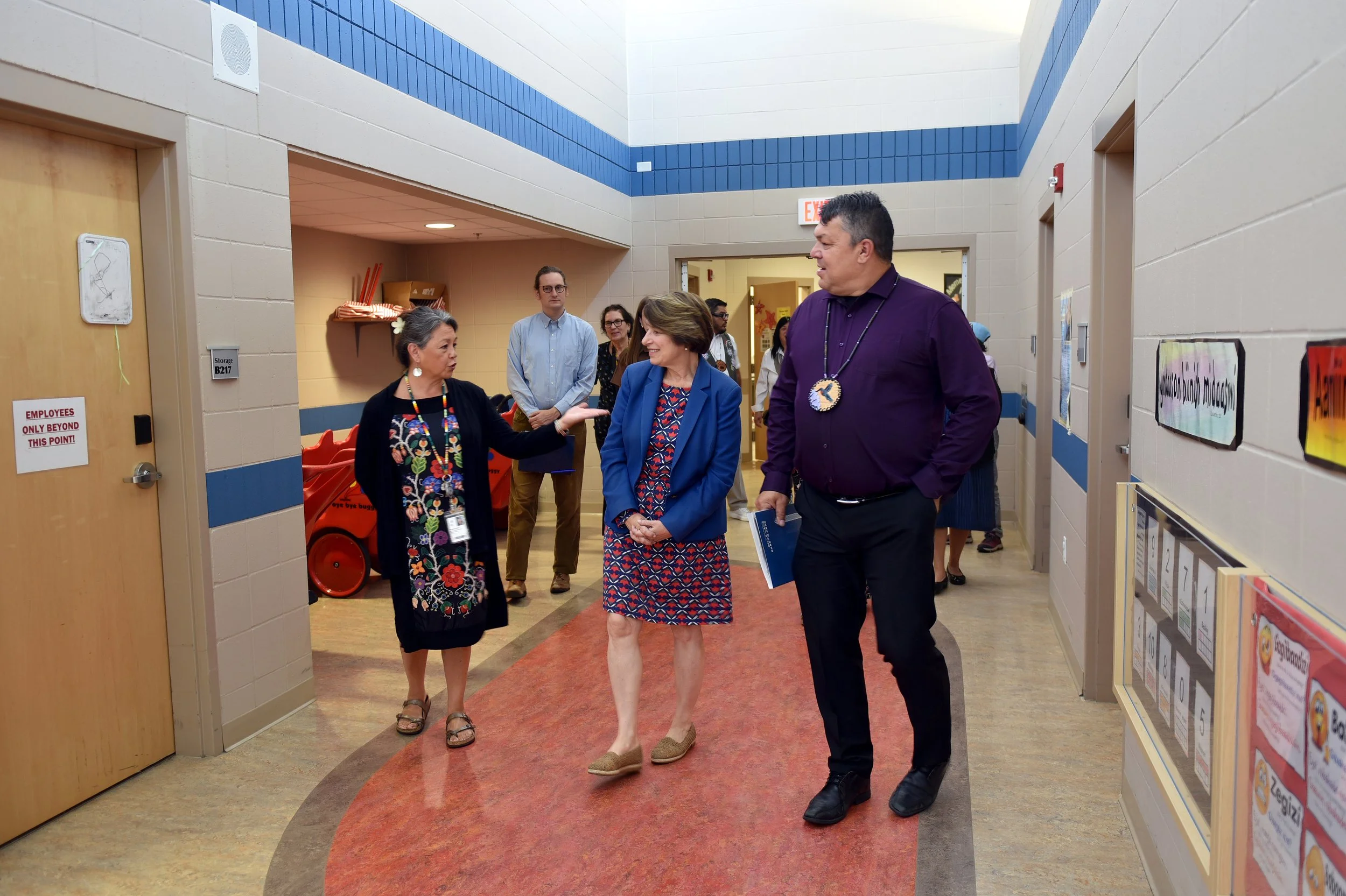
U.S. Sen. Amy Klobuchar made an impromptu stop at Mille Lacs Early Education in District I while traveling through the area recently, taking time to learn how the Band is providing early childhood education and child care while keeping its youngest Band members connected to Ojibwe culture.
Klobuchar has been visiting Head Start and Early Head Start programs across Minnesota to learn about different approaches to child care and the challenges providers and families continue to face.
Minnesota has one of the highest rates of women participating in the workforce, Klobuchar noted, but families across the state continue to struggle with a shortage of available child care.
DC MEETINGS FOCUS ON TRIBAL SOVEREIGNTY, GAMING, HISTORICAL DOCUMENTS
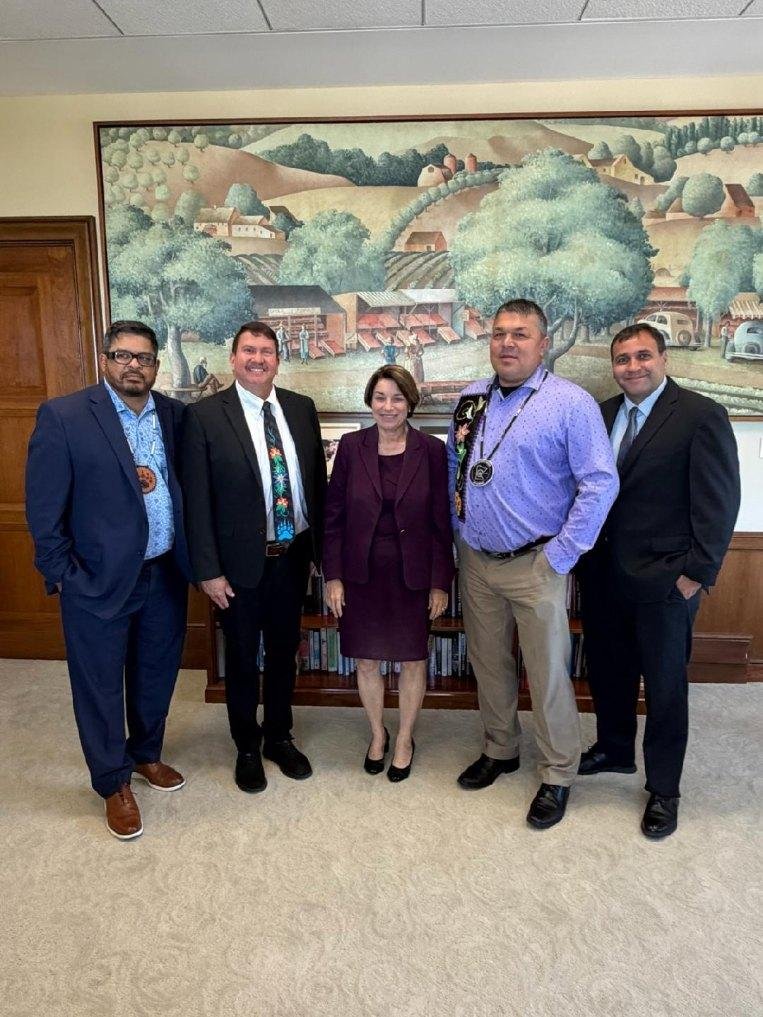
Chief Executive Virgil Wind and Mille Lacs Band staff traveled to Washington, D.C., Sept. 14-17 for federal meetings during the National Congress of American Indians (NCAI) Impact Days. Topics of discussion included Tribal gaming, meaningful consultation and protecting historical records documenting treaty rights.
Wind was joined by Commissioner of Natural Resources Kelly Applegate, Senior Advisor to Government Affairs Jamie Edwards, and Senior Federal Government Advisor Adam Candler.
Two highlights included the Sept. 14 closed-door round-table hosted by the Commodity Futures Trading Commission (CFTC) concerning prediction markets and the Sept. 17 meeting with the National Archives and Records Administration (NARA) regarding the planned closure of their Chicago facility.
Tribal Government News
TRIBAL LEADERS MEET WITH STATE OFFICIALS AT GRAND PORTAGE
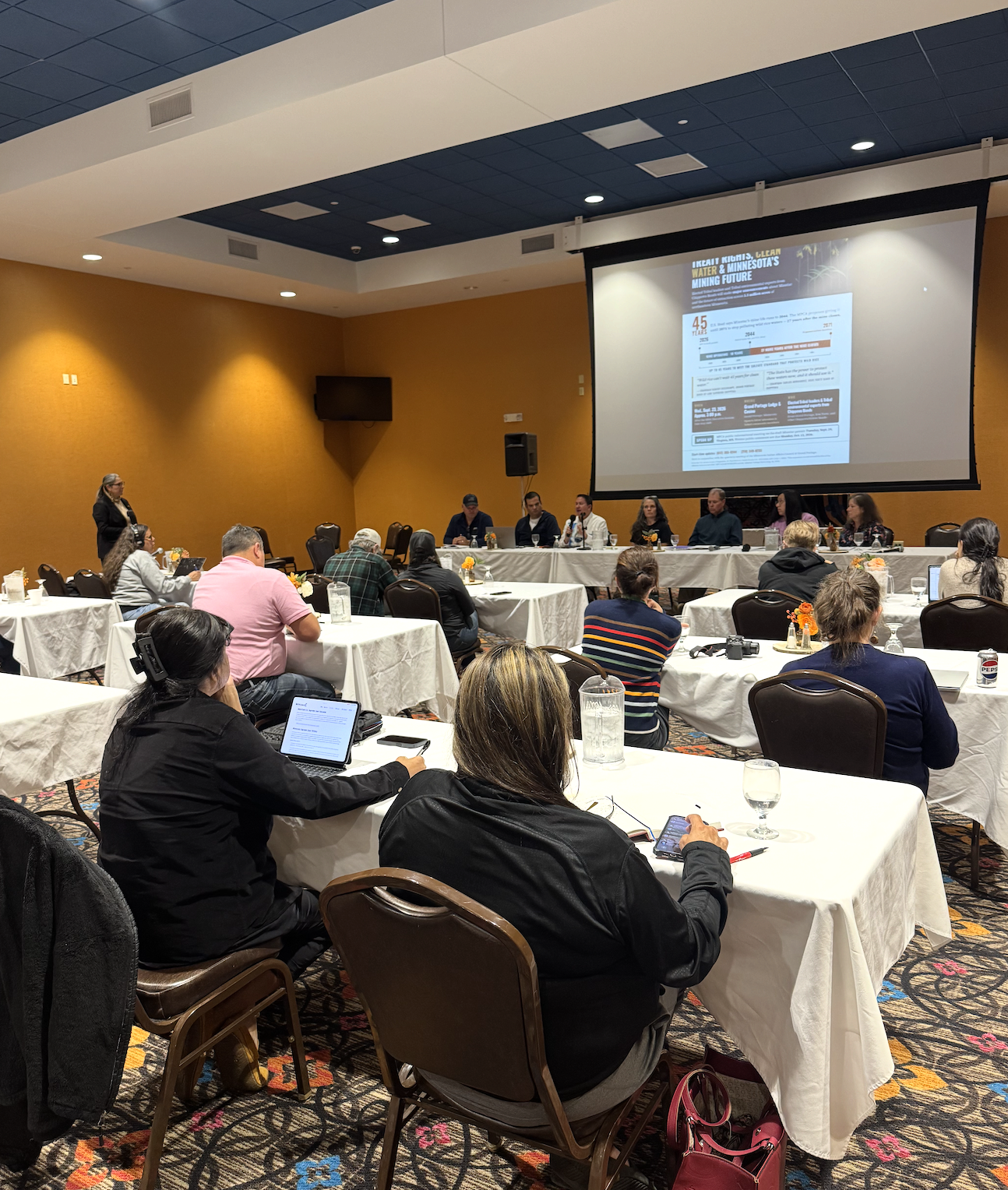
The Minnesota Indian Affairs Council met Sept. 23 - 24 at Grand Portage, bringing Tribal leaders together with representatives from the Governor's Office, state commissioners, deputy commissioners and Tribal liaisons. State agencies provided updates on policies, data and other issues affecting Indian Country, as well as preparations for the transition to new state leadership following the Nov. 3 election.
BAND ASSEMBLY CLOSES 2026 LEGISLATIVE SESSION
Regular session calendar helps ensure contracts, appropriations and other matters receive timely consideration
The Mille Lacs Band Assembly has adjourned the 2026 legislative session on Sept. 30, concluding the second of two regular legislative sessions held each year.
CONTINUING THE CONVERSATION: YOUR VOICE, OUR SOVEREIGNTY
Over the summer months, the Mille Lacs Delegates continued work on the Mille Lacs Band Constitution, including a review of two important areas: membership and sovereignty.
Community members also provided valuable input during the summer sessions. To date, approximately 50 Band members have participated. While the Delegates appreciate everyone who took the time to share their thoughts, that represents only a small portion of the community. More voices are needed as this important work continues.
WATER OVER NICKEL UPDATE: FOLLOWING THE WATER
What the Band Told the NR, and What You Helped Put in the Record
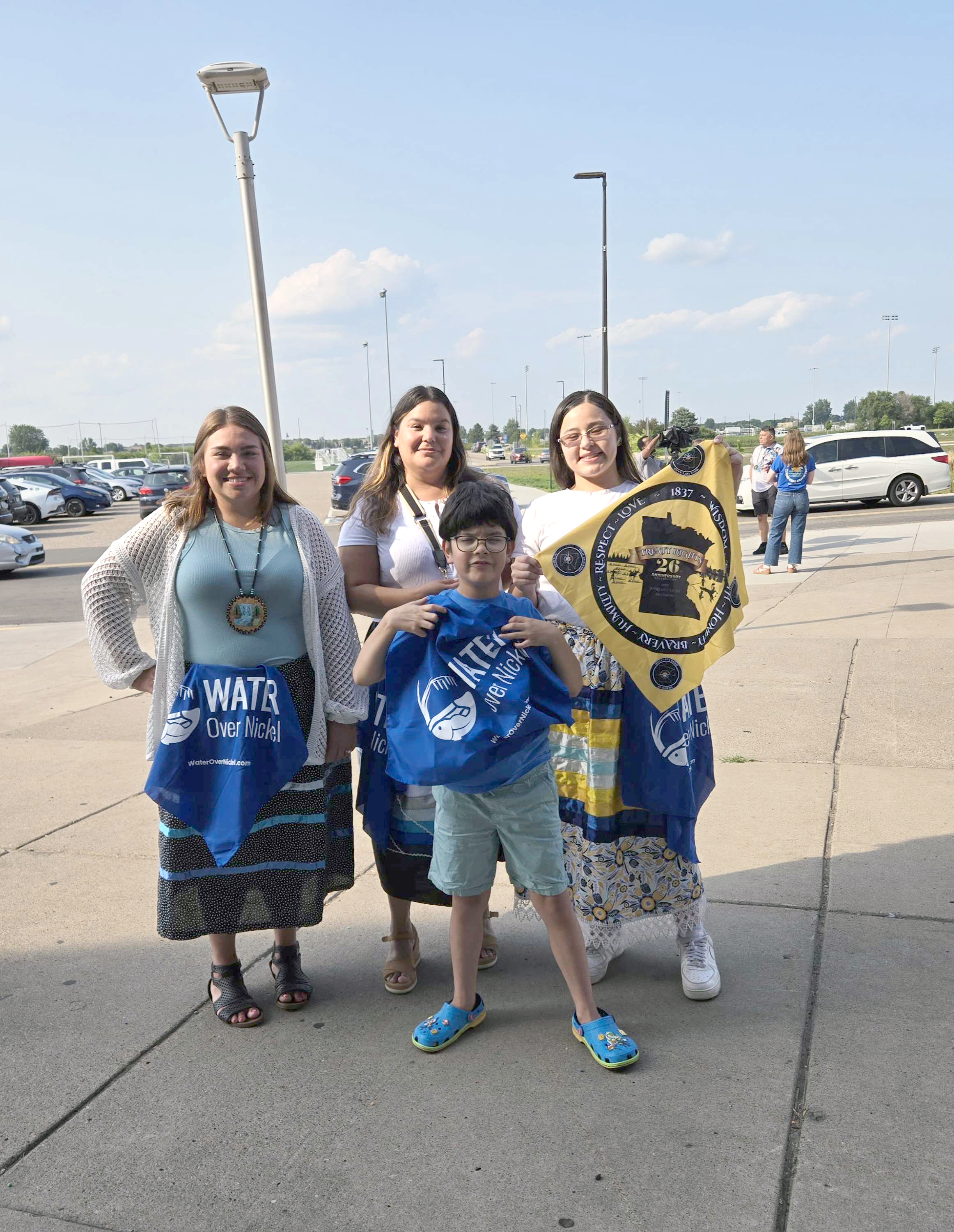
The public comment period on the Tamarack Mining Project closed on September 14. For sixty days, from July 12 forward, the Minnesota Department of Natural Resources accepted comments on the two documents that will decide what the State studies before it decides anything else about this mine.
Highlights
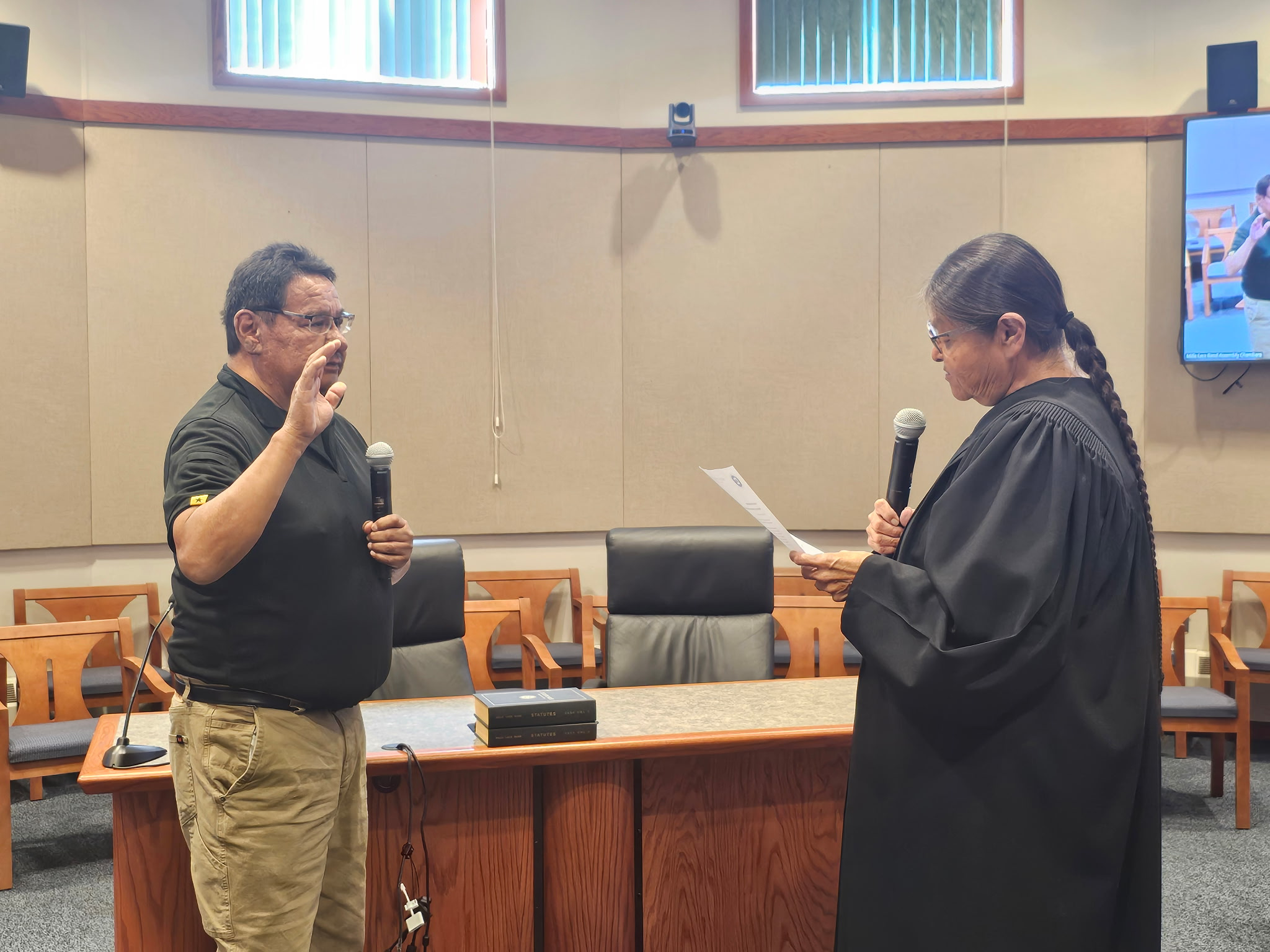
BAND ASSEMBLY SWEARS IN GRA BOARD MEMBERS
The Honorable Chief Justice Rhonda Sam conducted swearing-in ceremonies for three members of the Gaming Regulatory Board. Michael Davis, James Kalk, and Elvis Sutton were sworn into office on September 2, 2026. Sutton was sworn in via zoom. Submitted photos.

Senior Living: STOP. CHECK. VERIFY.
Scammers are getting better at what they do. They can make a phone number appear legitimate, create convincing emails and websites, impersonate banks and government agencies, and use personal information to make their stories believable.
But one of their most effective tools remains surprisingly simple: getting someone to act before they have time to think.
2026 MILLE LACS BAND OF OJIBWE VOTERS GUIDE: MIDTERM ELECTIONS PUT IMPORTANT DECISIONS IN VOTERS' HANDS
From Congress to the State Capitol and local government, the Nov. 3 election will help determine who makes decisions affecting communities for years to come. Presidential elections tend to get the most attention, but every four years, voters also go to the polls halfway through a president's term for what is commonly called a midterm election.
There is no presidential race on the ballot in a midterm year, but that does not make the election any less important.
2026 MILLE LACS BAND OF OJIBWE VOTERS GUIDE: WHAT MINNESOTA'S SCHOOL FUNDING AMENDMENT WOULD CHANGE
Voters will decide whether to change how money from Minnesota's Permanent School Fund is distributed to schools — a decision that also has implications for Tribal contract schools such as Nay Ah Shing
Minnesota voters will find one proposed amendment to the state Constitution on their Nov. 3 ballot. The question involves the Permanent School Fund, a more than century-old source of funding for Minnesota schools.
2026 MILLE LACS BAND OF OJIBWE VOTERS GUIDE: IN THEIR OWN WORDS
As part of this Voters Guide, the Mille Lacs Band Government Affairs Department invited all candidates in the races covered by this guide to answer the same three questions about issues important to Band members and Tribal communities.
Indian Country News
US national parks told to remove signs on mistreatment of Native Americans, climate, Wash Post reports:
U.S. officials this month ordered national parks to remove dozens of signs and displays related to the mistreatment of Native Americans by settlers, as well as about climate change and environmental protection, the Washington Post reported. The move is part of President Donald Trump's campaign to reshape public spaces and museums in a way that rights advocates say could undo decades of social progress. The National Park Service staff last week removed an exhibit on slavery from a Philadelphia historic site in line with Trump's claims, rejected by civil rights groups, of "anti-American ideology" at historical and cultural institutions. The removal orders include a display at the Grand Canyon about the forced removal of Native Americans, the Post reported, while at Glacier National Park, Trump administration officials flagged a brochure and a sign about climate change. The U.S. Interior
Department, which oversees the National Park Service, said in a statement that it was carrying out Trump's executive order on "Restoring Truth and Sanity to American History." Source: Reuters.
‘As vulnerable as a plant can be’: New study finds climate change largely to blame for less wild rice:
A new study finds the availability of a wild rice in the Great Lakes region has been declining over the past 30 years, partially due to climate change. The decline, the study says, “has disrupted Ojibwe lifeways, family, and health.” Brandon Byrne, inland fisheries biologist at the Great Lakes Indian Fish & Wildlife Commission, or GLIFWC, coauthored and helped collect data for the study. Byrne said that the plant is most vulnerable during its early stages. “Not only is it vulnerable to weather or climatic variables, it’s also vulnerable to motorboat use. Its ecology is very delicate.” Rob Croll, coauthor of the study and commission policy analyst and climate change coordinator, said, “You have to look at manoomin and climate change holistically. It’s as vulnerable a plant as a plant can be. One of the things that we’re seeing — will continue to see — is our precipitation coming less frequently, but more intensely: much heavier rain storms, which can cause quick floods. During [early growth] stages, floods will uproot the plant. Later on in its growth, when there are seeds on the plant, big storms and heavy winds can devastate a rice bed just by blowing the stalks down into the water. Source: WPR Wisconsin Today.
White House budget request slashes funding for tribal colleges and universities:
In President Donald Trump’s budget request, he’s proposing slashing funding for tribal colleges and universities, including eliminating support for the country’s only federally funded college for contemporary Native American arts. If the budget is approved by Congress, beginning in October, the more than $13 million in annual appropriations for the Institute for American Indian Arts in Santa Fe, New Mexico, would be reduced to zero. It would be the first time in nearly 40 years that the congressionally chartered school would not receive federal support, said Robert Martin, the school’s president. Source: APNEWS.
Upcoming EVENTS
July 27
East Lake Day
July 1
Mid-summer Days
July 24