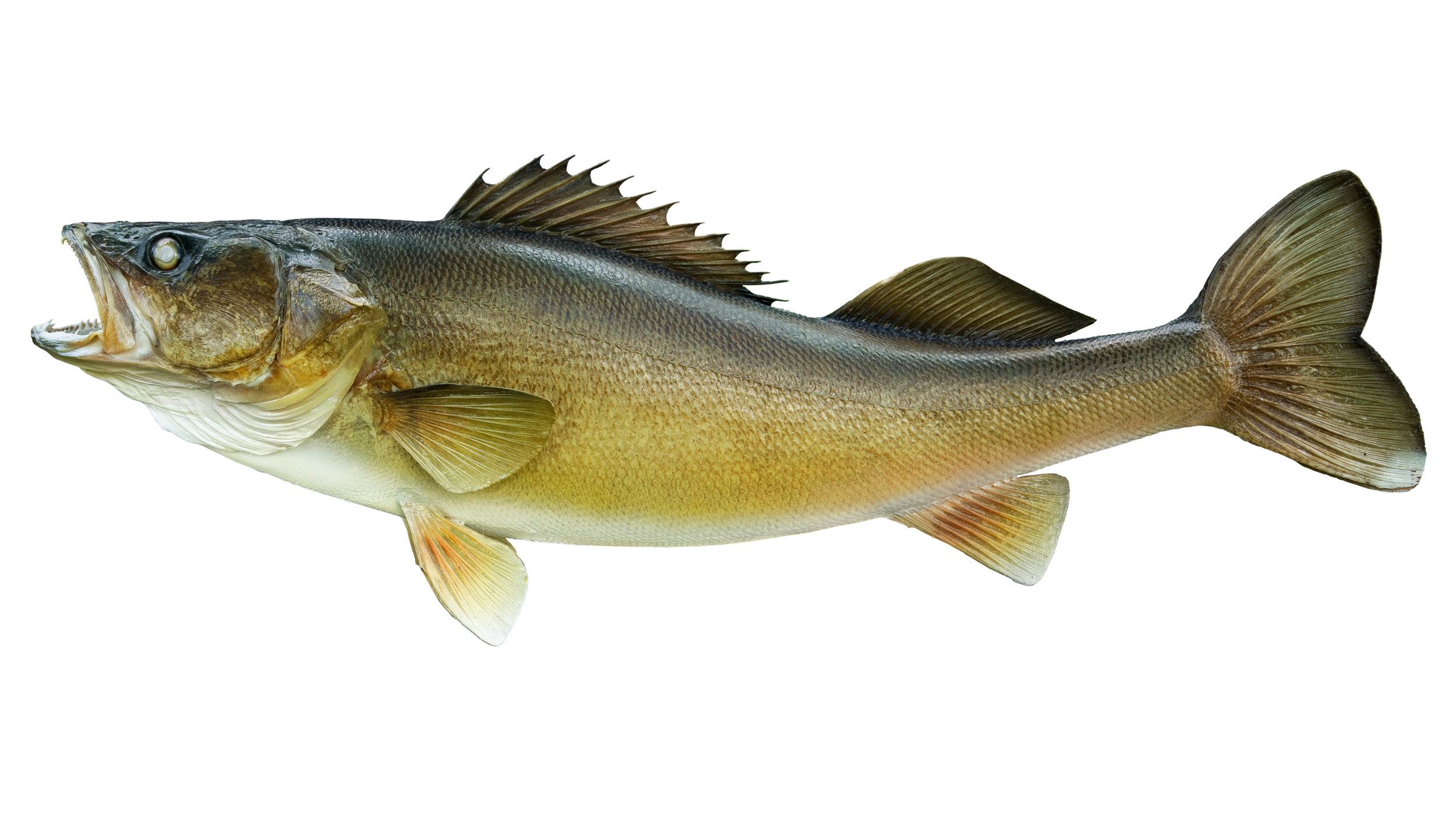
MILLE LACS WALLEYE RETURN TO THE SAME SPAWNING ‘HOTSPOTS’ YEAR AFTER YEAR
Jun 29, 2026
By Great Lakes Indian Fish ad Wildlife Commission
New research from the Great Lakes Indian Fish and Wildlife Commission (GLIFWC), Mille Lacs Band of Ojibwe, and the University of Illinois Urbana-Champaign identified six "hotspots" for walleye spawning and found that about 96% of walleye sampled displayed some degree of loyalty to spawning sites through out the lake. Scientists with the Mille Lacs Band and GLIFWC tracked the movements of 70 walleye during their annual spring spawning periods in 2019, 2020, and 2021.
"As the very first protectors of water and fish, we care deeply about the habitats which give life to the Ogaawag [walleye plural] that sustain us," said Kelly Applegate, Commissioner of Natural Resources for the Mille Lacs Band of Ojibwe "By learning more about important Ogaawag spawning sites, we can obtain valuable knowledge, allowing us to further build on our centuries old reputation for successfully and sustainably managing our fisheries resources," he said.
Walleye, known as Ogaa in Ojibwe, are a culturally important species for indigenous harvesters. Protecting this species is vital to Anishinaabeg and recreational anglers. However, the walleye population in Mille Lacs has declined over the last several decades, hitting an all-time low in 2016. The decline has largely been attributed to poor survival from hatching to age-2 related to environmental change, habitat degradation, overfishing, and changing ecosystem dynamics.
Transmitters were surgically implanted in walleye that send unique numbers for that fish, time, date, temperature, and pressure information to receivers as the walleye swims by. This information allowed researchers to identify where the most walleye were detected and where they spent the most time during their spawning period and quantify how many fish returned to the same spawning areas between years.
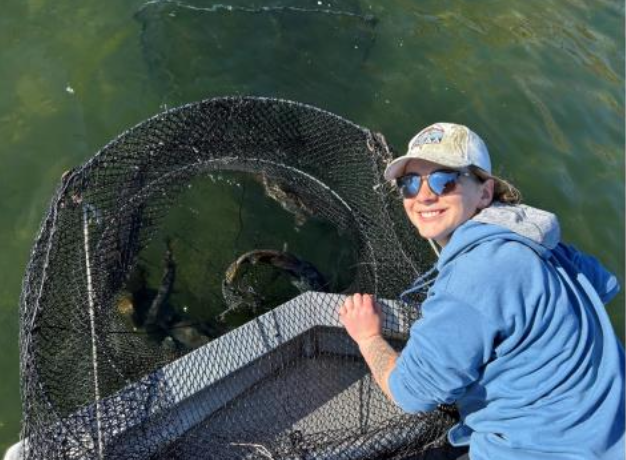
Lead author (pictured using a fyke net) Kayla Lenz noted, "About 96% of the walleye in this study spawned at the same site in 2019 and in 2020.”
These fish use the same areas to spawn year after year, which means that their reproductive success is tied to a specific place."
Environmental variables, such as wind direction, temperature, and wave action, may play a role in selecting which sites walleye display fidelity to and could be used to predict where walleye spawn in a waterbody. If these characteristics are altered (such as a break wall interrupting wave action on a reef, development of marinas, addition of docks, and chemical control of vegetation), spawning could be disrupted, and reproduction and/or survival of offspring may decrease. In this study, the areas that have been identified as primary walleye spawning habitats largely consist of sparse areas of shoreline with little to no anthropogenic development.
Landowners and everyday users of the lake can help protect these fish by limiting use of habitat-disturbing wake boats in spawning areas, refraining from putting out docks until after the spawning season, planting riparian buffer zones along the shoreline that help prevent erosion, and limiting use of chemicals such as herbicides, pesticides, and algicides within the watershed, which have been shown to reduce survival of young fish. These actions help to preserve these habitats that are essential to the continued persistence of this beloved species.
More information about this study can be found in "Identifying Spawning Sites and Fidelity of Ogaa (Walleye Sander vitreus): Implications for Fishery Stewardship", available online in Frontiers in Fish Science (DOl:10.3389/frish.2026.1758559). Authors include Kayla Lenz, Dr. Aaron Shultz, Carl Klimah, and Dr. Adam Ray.