BAND MEMBER VOICES: FINDING MY PLACE
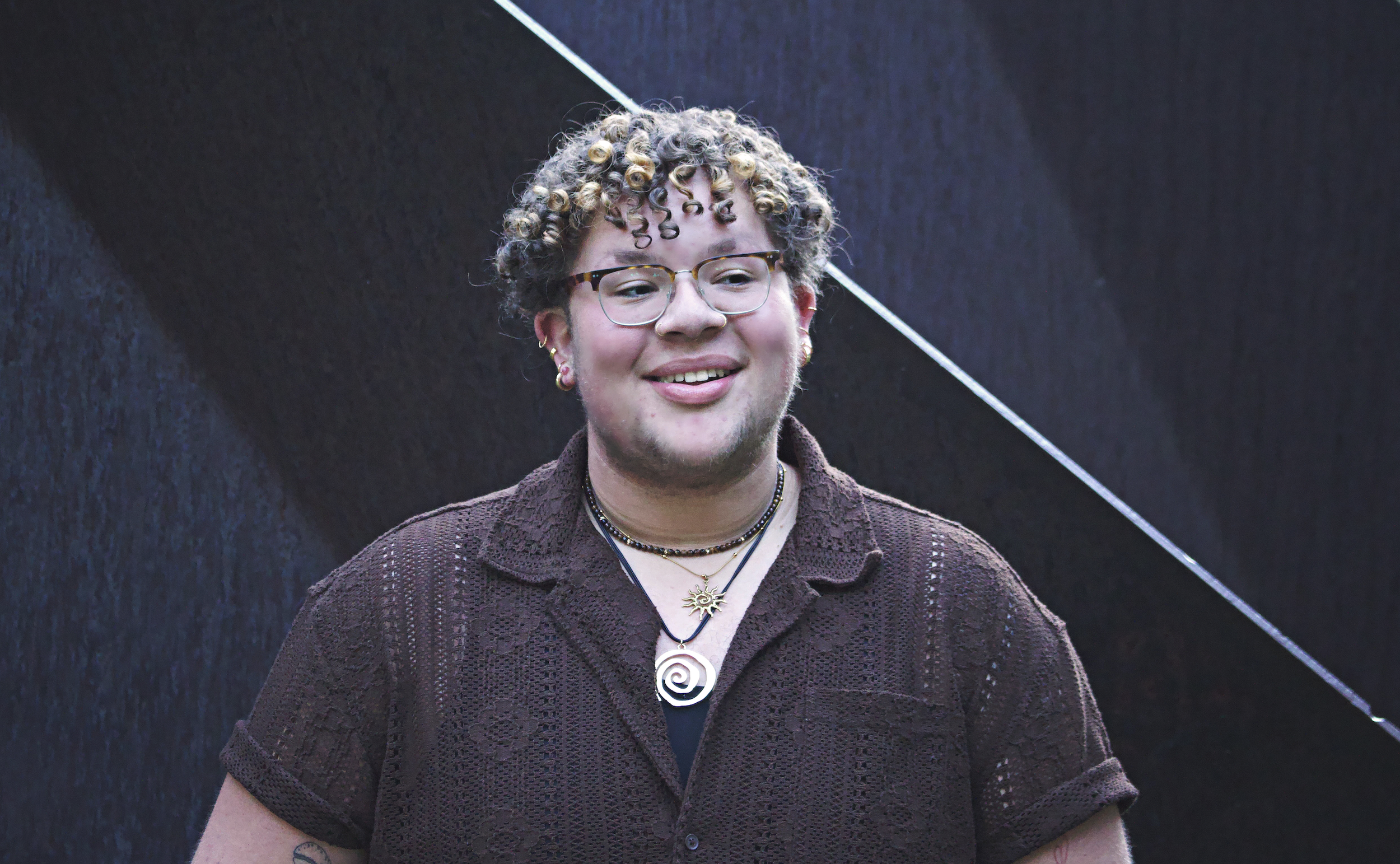
By Chiaanakwad, Dallas Downey
Being a journalist is demanding work. Beyond the long hours, constant deadlines and responsibility of reporting the truth. As reporters of the truth, we are facing increased hostility and scrutiny simply for doing our jobs.
In a time when writers and journalists can become targets for the stories they tell, finding a supportive community is more important than ever. Building relationships with other journalists provides a sense of belonging, encouragement and solidarity.
The Indigenous Media Conference draws nearly 500 Indigenous professionals, students and educators all with a connection to media, communications and storytelling. I was honored to attend this convening earlier this summer.
The Indigenous Journalists Association was founded in 1983 as the Native American Press Association after Lakota journalist Tim Giago convened a meeting of Indigenous reporters and academics at Pennsylvania State University. It later became the Native American Journalists Association (NAJA) before adopting its current name in 2023.
This year, the convention was held in Portland, Oregon, to connect regional and global storytellers. Portland hosts the ninth-largest urban Native population in the U.S. with members from over 380 tribes.
IMC 2026 was supported by the Confederated Tribes of the Umatilla Indian Reservation. The tribe has over 3,100 enrolled members and governs a reservation spanning approximately 172,000 acres in northeastern Oregon.
As a rising sophomore studying journalism and Native American studies at Northwestern University in Evanston, IIlinois, I value the importance of my attendance in spaces like these. I write to honor the ancestors, represent our community and to tell our stories, stories that often go untold.
To say I am thankful for all the connections and friendships this convening inspired, would be an understatement. The conference had a robust lineup of panels and events, all focused on promoting equitable journalistic practice that supports Indigenous communities.
It is in these panels where I was able to establish meaningful connections with my peers. I befriended several students, early career journalists, and top professionals in the field. Relationships like this are very meaningful. They strengthen our community of Indigenous journalists in a time where we need to have each other's backs.
Mille Lacs Band Member, Leah Lemm, presented a panel on covering protest safely. Lemm is the senior editor of the Native News Initiative at Minnesota Public Radio.
Lemm recounted her experience with Operation Metro Surge, where between December 2025 and February 2026, the U.S. The Department of Homeland Security deployed 3,000 ICE and Border Protection agents to Minnesota, marking "the largest federal immigration enforcement operation in U.S. history," DHS said.
Lemm vividly remembers the day that her colleague, Kerem Yücel, MPR News visual journalist, was attacked while reporting.
Yücel was hit by less-lethal munitions while photographing a protest on St. Paul's East Side last November, Yücel's injuries sent him to the hospital by ambulance. He since has recovered and won numerous awards for his coverage and bravery
"That is where things became real for me," said Lemm.
For Lemm, the incident illustrated how the risks of reporting can become personal, particularly for journalists whose identities can make them targets while they are doing their jobs.
"Even though we are clearly citizens of the land, we can be targeted by our race," Lemm said
Lemm taught me a valuable lesson. Her experience reminded me that a press badge does not necessarily protect journalists from the realities of the environments we cover. I still may be subject to violence and prejudice at the hands of law enforcement due to my identity.
As I progress through my time at Northwestern, I will take these teachings with me. I am very grateful for the Center for Native American & Indigenous Research for sponsoring my trip to the IMC 2026.