DC MEETINGS FOCUS ON TRIBAL SOVEREIGNTY, GAMING, HISTORICAL DOCUMENTS
September 30, 2026
Chief Executive Wind presses federal agencies on government-to-government consultation
By Vivian LaMoore, Inaajimowin Editor
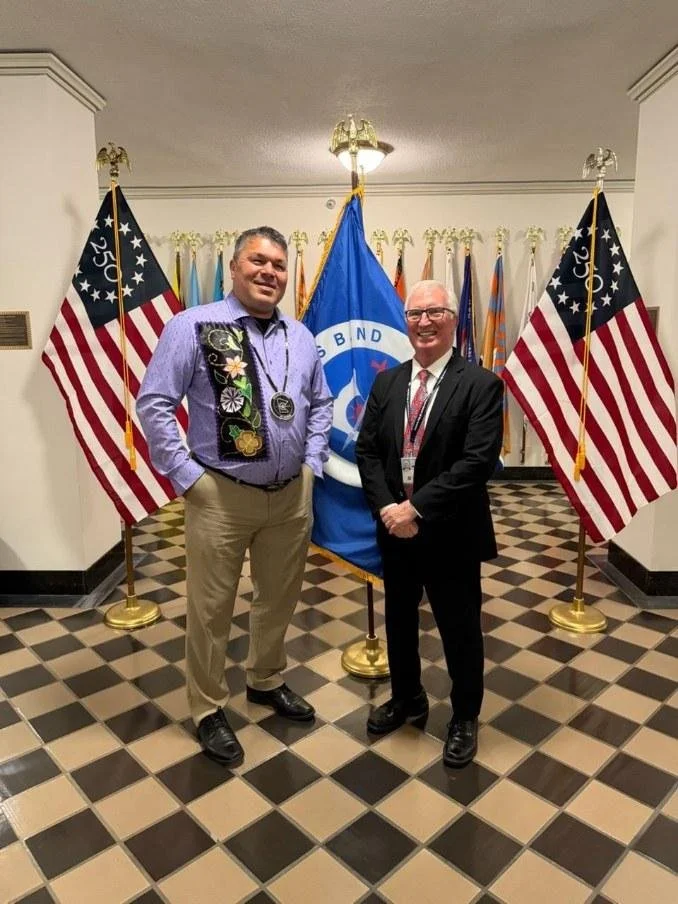
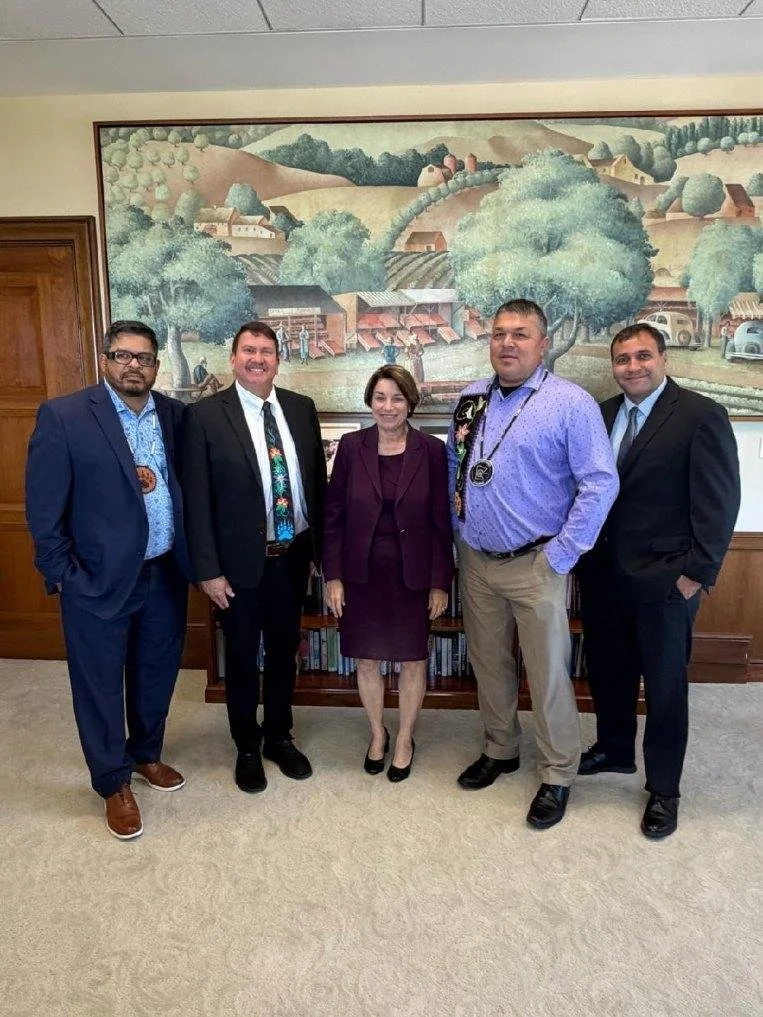
Chief Executive Virgil Wind and Mille Lacs Band staff traveled to Washington, D.C., Sept. 14-17 for federal meetings during the National Congress of American Indians (NCAI) Impact Days. Topics of discussion included Tribal gaming, meaningful consultation and protecting historical records documenting treaty rights.
Wind was joined by Commissioner of Natural Resources Kelly Applegate, Senior Advisor to Government Affairs Jamie Edwards, and Senior Federal Government Advisor Adam Candler.
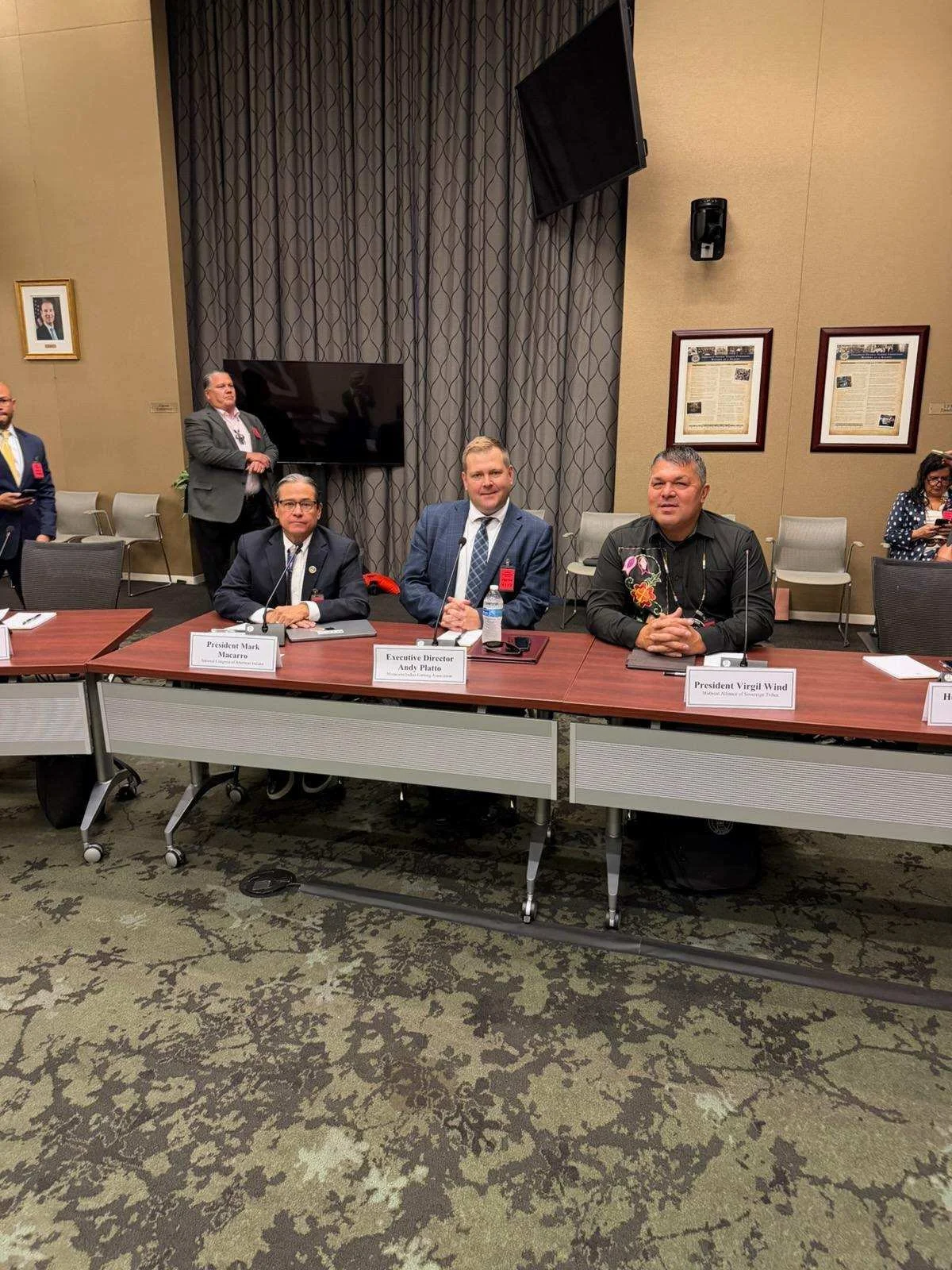
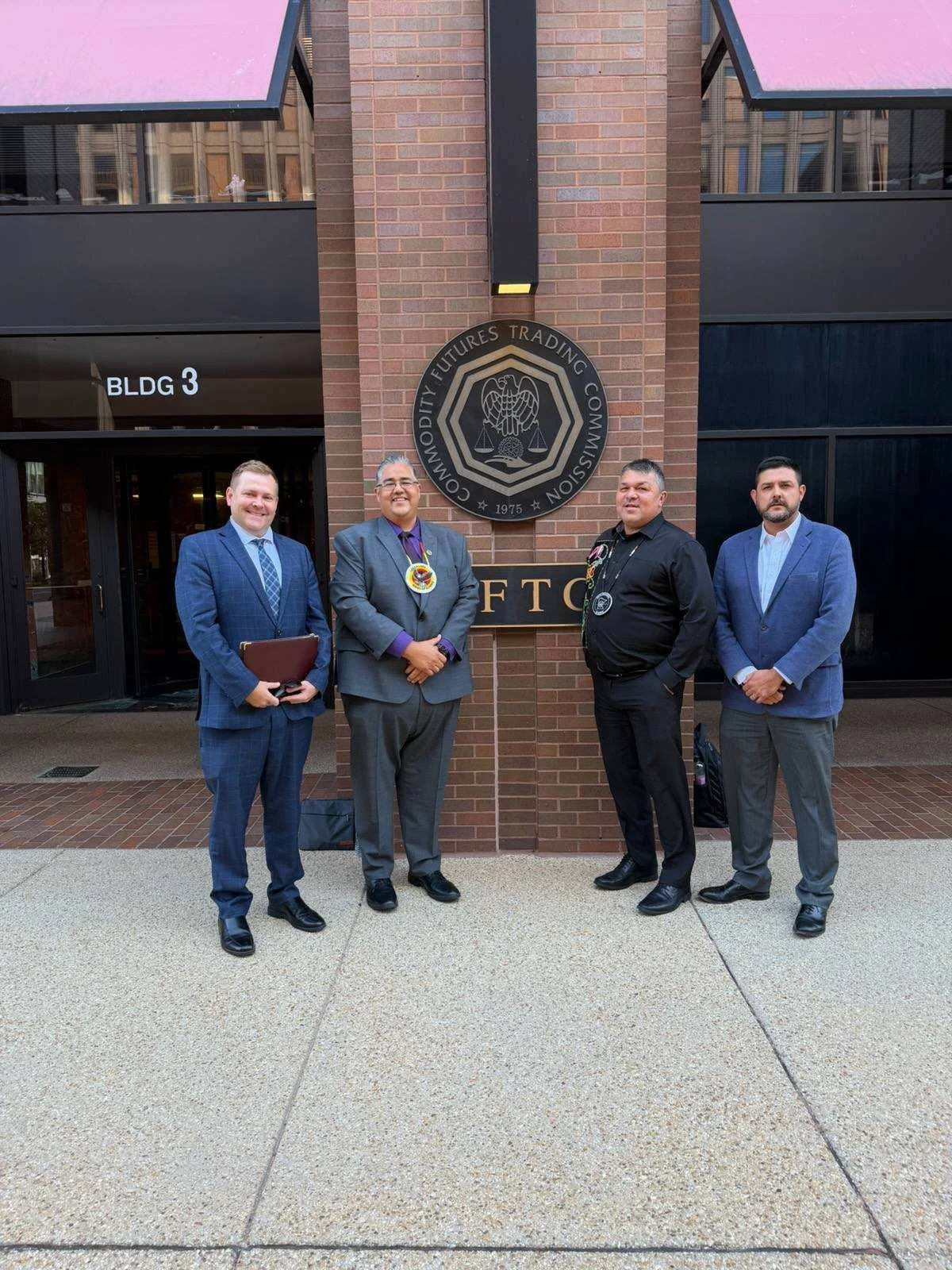
Two highlights included the Sept. 14 closed-door round-table hosted by the Commodity Futures Trading Commission (CFTC) concerning prediction markets and the Sept. 17 meeting with the National Archives and Records Administration (NARA) regarding the planned closure of their Chicago facility.
These meetings centered on a fundamental concern for Tribal governments: meaningful government-to-government consultation needs to happen before decisions are made that affect Tribal Nations.
PREDICTION MARKETS
During the CFTC roundtable, Tribal organizations raised concerns about sports-event contracts offered through prediction markets and their impact on Tribal gaming and Tribal sovereignty.
Leaders from the National Congress of American Indians, Indian Gaming Association and other regional tribal organizations took part but expressed major frustration that the CFTC did not engage in substantive consultation about proposed prediction-market rules.
Tribal organizations characterized the roundtable as a missed opportunity: Emphasizing that meetings with Tribal organizations are not a substitute for formal government-to-government consultation with individual sovereign Tribal Nations. Protecting access to Tribal records.
PROTECTING TRIBAL HISTORICAL RECORDS
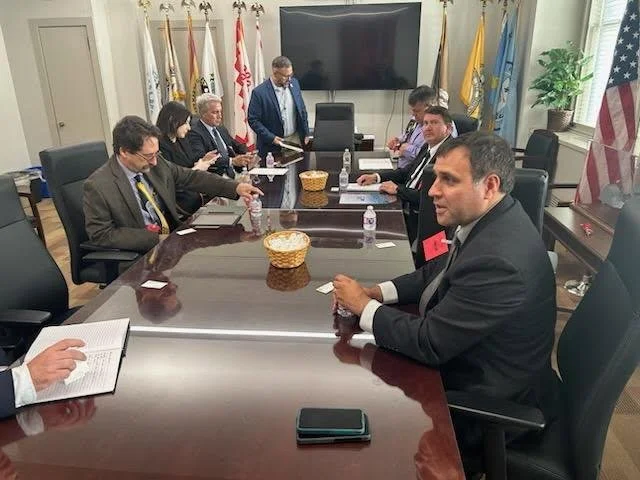
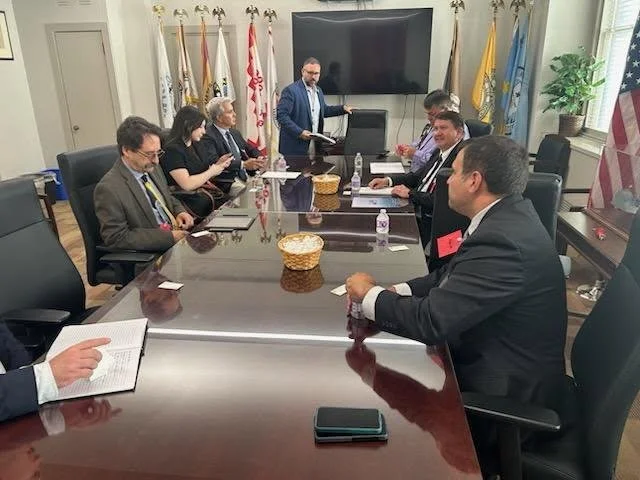
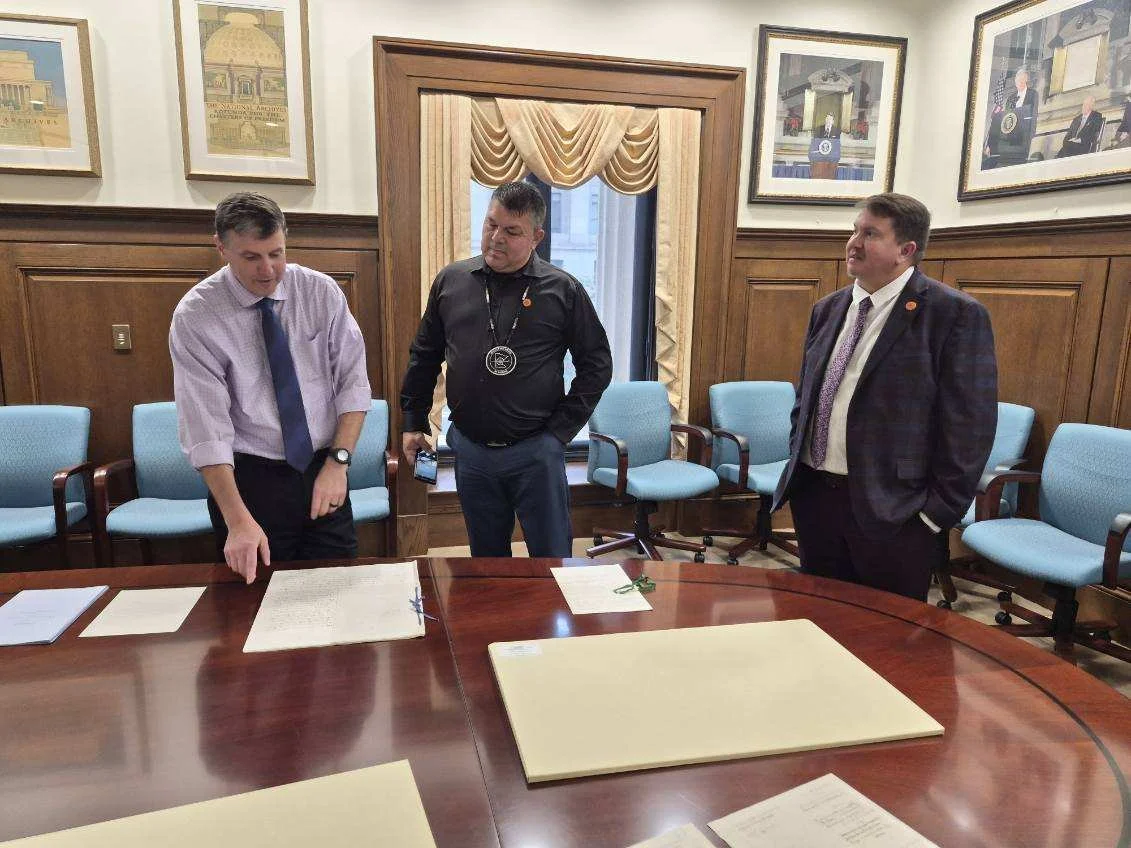
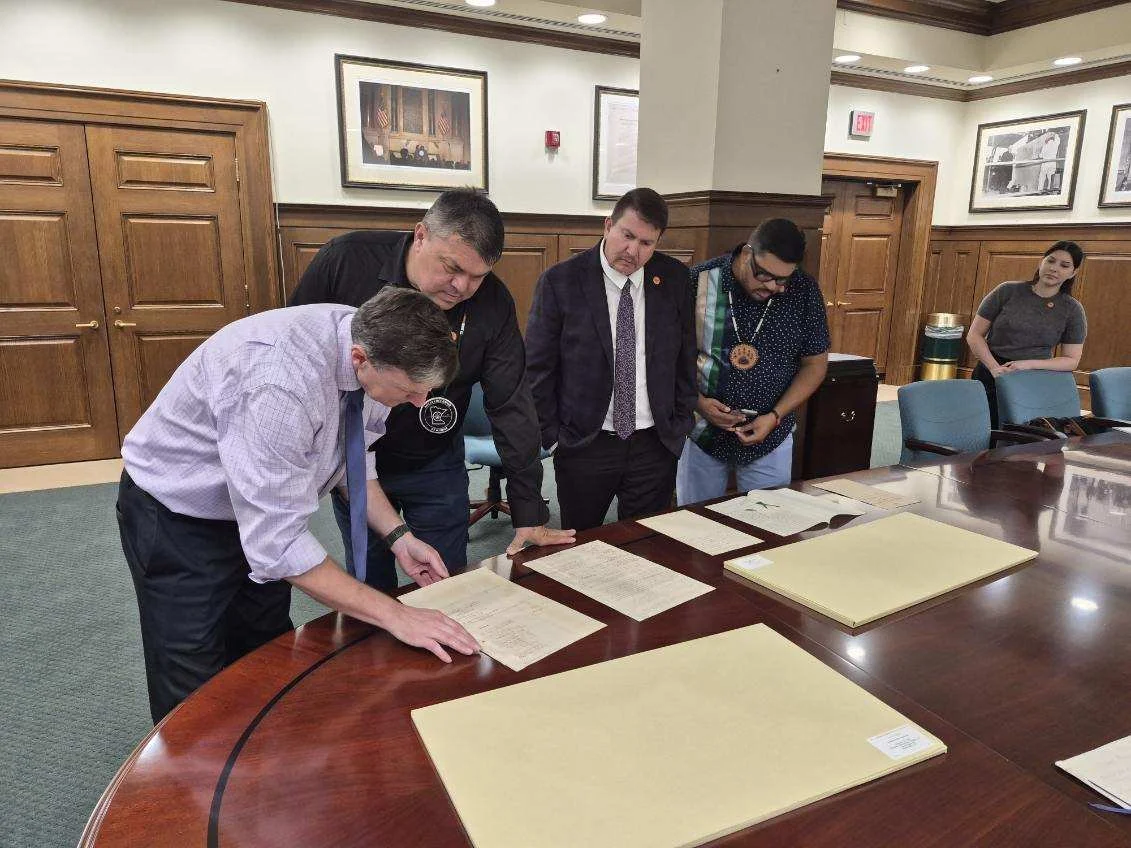
A few days later, Chief Wind and the MLBO delegation met with Jay Trainer, Chief of Operations for National Archives Records Administration (NARA), about the planned closure of the National Archives facility in Chicago.
Wind attended the meeting in his role as president of the Midwest Alliance of Sovereign Tribes (MAST). MAST initiated the conversation after NARA announced the planned closure of the facility in June. In August, MAST leaders sent a letter outlining concerns about the potential impact on the 37 Tribal Nations in the Midwest region for which the Chicago facility serves.
The letter asked NARA to suspend relocation until formal government-to-government consultation occurs, assess potential impacts on treaty rights, Tribal sovereignty and historical research, and include affected Tribal Nations in their decision-making process. Wind reiterated those shared concerns during the Sept. 17 meeting.
Trainer told the delegation that the Chicago facility requires major renovations and has become increasingly costly to maintain. NARA plans to relocate materials to existing modern facilities over the next two to three years.
The Chicago facility houses more than 100,000 archival materials, only a portion are related to Tribal Nations. Trainer said Tribes can submit requests identifying records of particular importance so they can be prioritized for digitization.
Importantly, Trainer confirmed that records of Tribal significance have not yet been moved and said relocation will not begin until after Tribal listening sessions are held.
During the visit, the Mille Lacs delegation also had an opportunity to view historical federal records with significance to the Band, including the 1837 and 1855 treaties.
For the Mille Lacs Band, those documents are more than historical artifacts. The treaties are foundational to the Band's relationship with the United States.
Whether the issue is federal gaming policy or the future of records documenting treaties and Tribal history, the Washington meetings carried a similar message: when federal decisions affecting Tribal Nations are being contemplated, Tribal governments need to be at the table.