EARLY DETECTION FOR THE WOMEN WE LOVE

October 4, 2026
Breast cancer screening saves lives — and mammograms can make all the difference.
By Dr. Ryan Dunkley, MD Family Medicine Ne la Shing Clinic
Since 1985, October has served as Breast Cancer Awareness Month. This tradition started as an effort to teach people about breast cancer and the importance of early detection. The pink ribbon is the symbol for breast cancer awareness, and you may notice it featured on educational materials in our clinics throughout the month. It represents hope and support for people with breast cancer and serves as a way to honor the memories of those we have lost to this disease. Each pink ribbon is a small reminder to think about our health and the health of the women we love, and an opportunity to think about how we continue to take care of one another.
Breast cancer is a problem for everyone, but, as with many other medical issues, it hits especially hard in the Native community. Breast cancer is the second leading cause of cancer death among women overall, and the same is true in our population. Since 1989, the number of women dying from breast cancer nationwide has dropped by almost half, yet there has been very little change for Native women specifically. Lack of representation in cancer research and reasonable mistrust of the medical system in some parts of our community each play a role in poorer outcomes, but the most important factor is a lack of adequate screening.
According to the American Cancer Society, only about half of eligible Native women have had breast cancer screening in the last two years, compared to about 70% of women overall. Because of this lack of screening, our cancers are often found later, at more advanced stages, when they are harder to treat. This is largely the result of a historical lack of access to trusted and trustworthy medical care to diagnose and treat this disease. I am writing this letter with the hope that we can make a positive impact by creating awareness and providing this needed care through our clinic system.
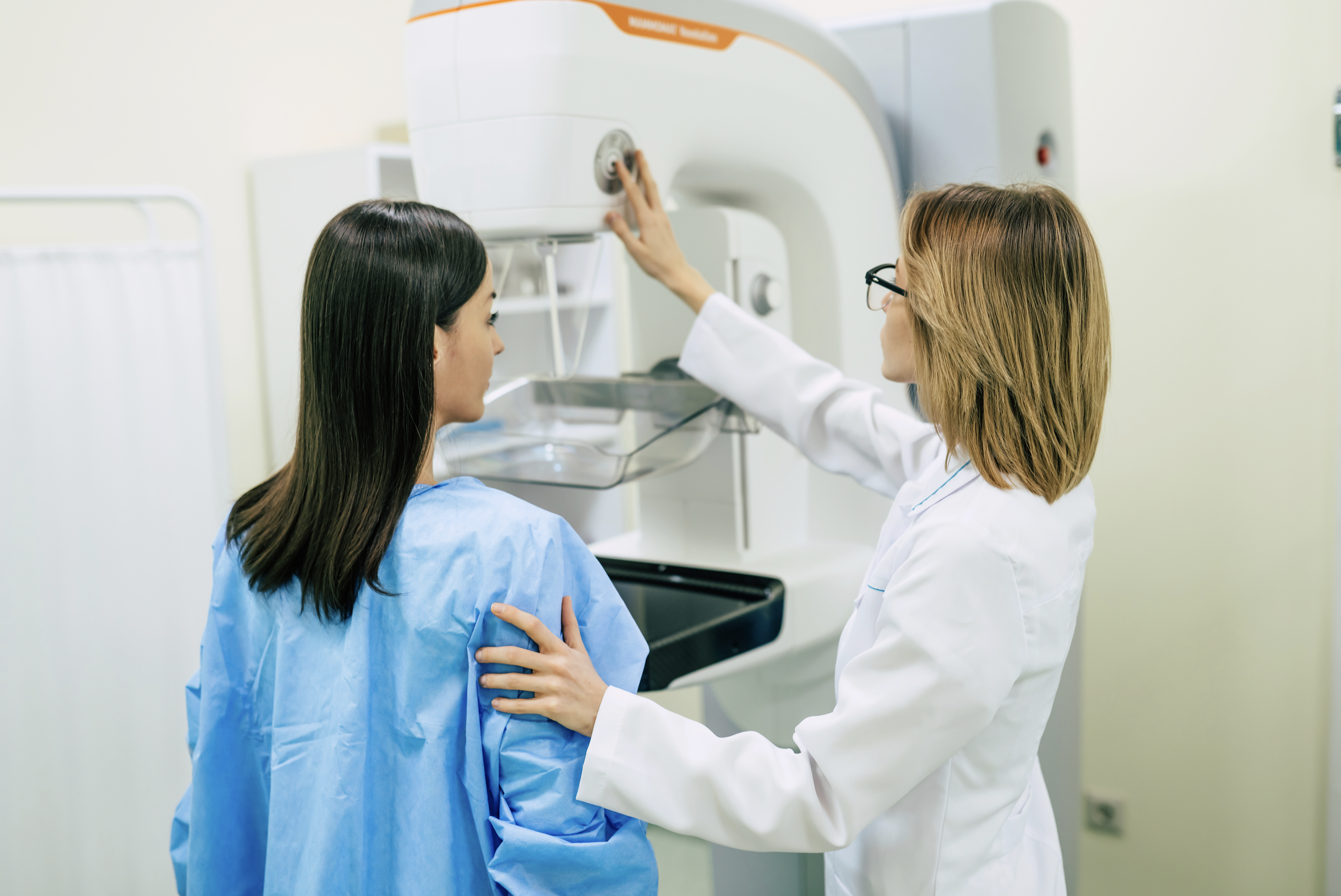
The main tool for catching breast cancer early is a mammogram. It's a quick X-ray of the breast, usually done in under 20 minutes, and it can find cancer years before you'd ever feel a lump. Finding cancer early makes it much easier to treat. When breast cancer is caught early, most women go on to live long, healthy lives. All women should consider screening for breast cancer starting at age 40, though starting earlier may be recommended if there is a history of breast cancer, especially in a first-degree relative (sister or mother). Repeating screening every year or two is recommended until at least age 70.
We will be making an effort to reach out to you if you are due for a mammogram. Your provider might bring it up at your next visit, but you don't have to wait for that — you can ask us any time. If you're wondering whether it's time to start, or you just have questions, we’re happy to talk it through. Any of our providers can submit a referral, and our clinical coordinator is ready to help you find a convenient location, schedule the appointment, and even arrange transportation if you need a ride.
If you know someone who may be putting off screening due to fear, feeling too busy, or possibly not even knowing they need a mammogram, then a reminder or encouragement from you could make all the difference. Talking about breast cancer screening with our sisters, mothers, grandmothers, and aunties is caring for our community. Let's keep an eye out for each other.