FROM EGGS TO OGAA: For MLBO DNR fisheries staff, a jar of fish eggs represents the future
Jun 29, 2026
By Vivian LaMoore, Inaajimowin Editor
When most people think of a fish hatchery, they probably picture science: dissolved oxygen levels, stocking rates, population surveys, and hatch success percentages. But spend a few minutes with the Mille Lacs Band Department of Natural Resources fisheries biologists and you'll discover something else. They talk about walleye the way other people talk about their children. In fact, some even refer to the eggs, fry, and fingerlings as "their babies."
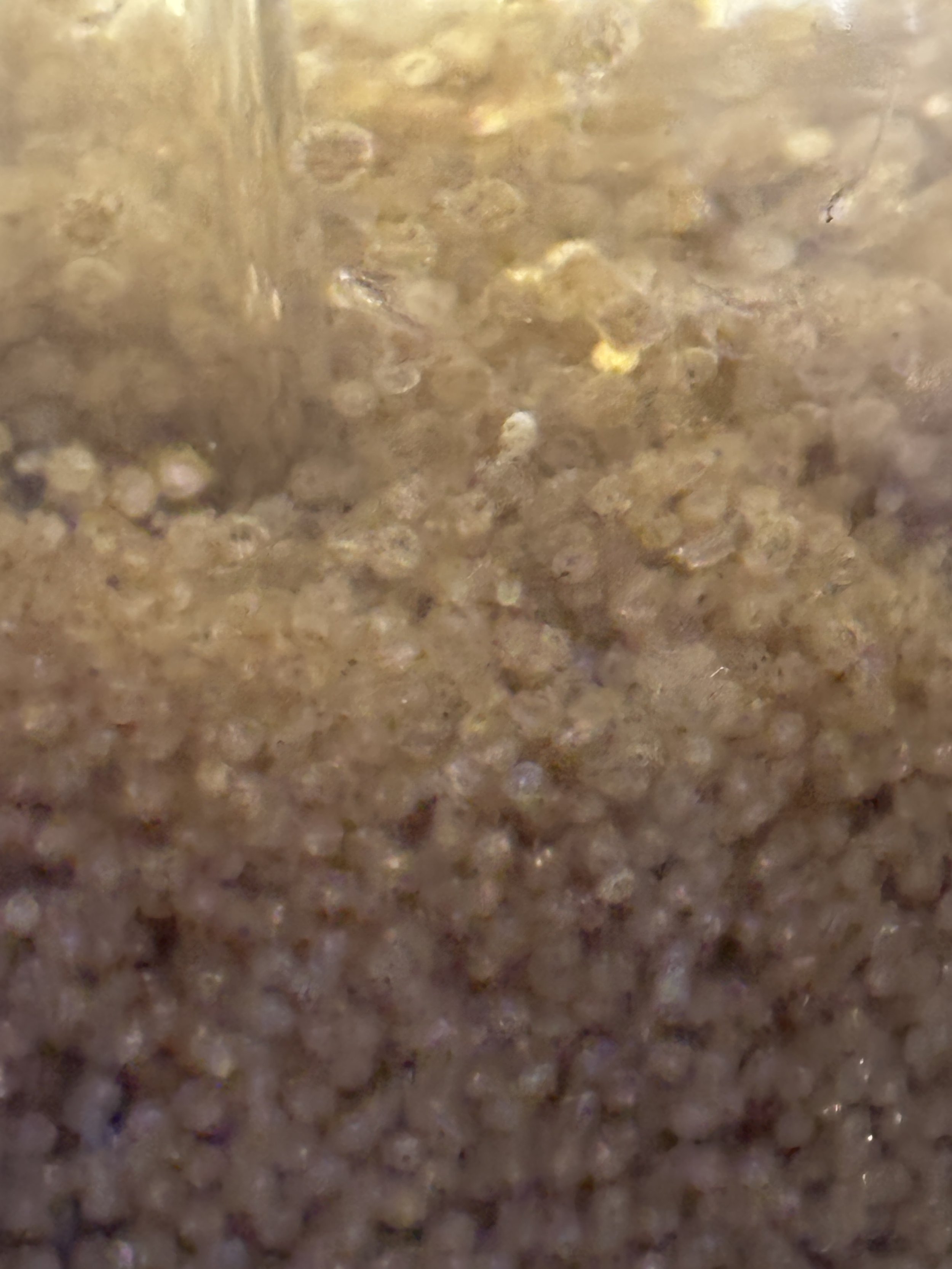
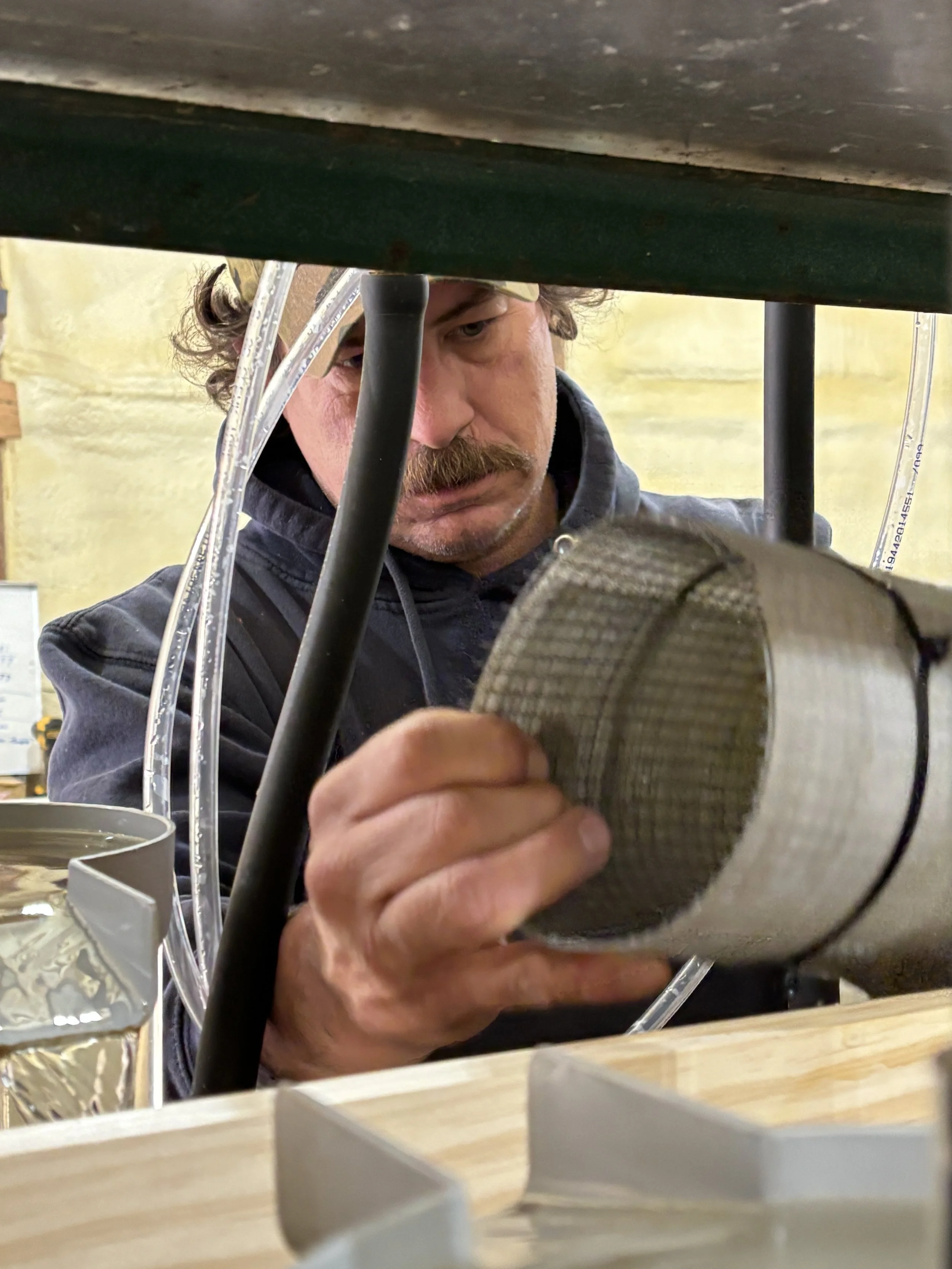
Looking over nearly a million ogaa (walleye) eggs in the Mille Lacs Band Fisheries Department hatchery, biologist Keith Wiggins sees more than fish. He sees the future - future generations of Band members continuing fishing traditions while helping protect treaty-reserved resources.
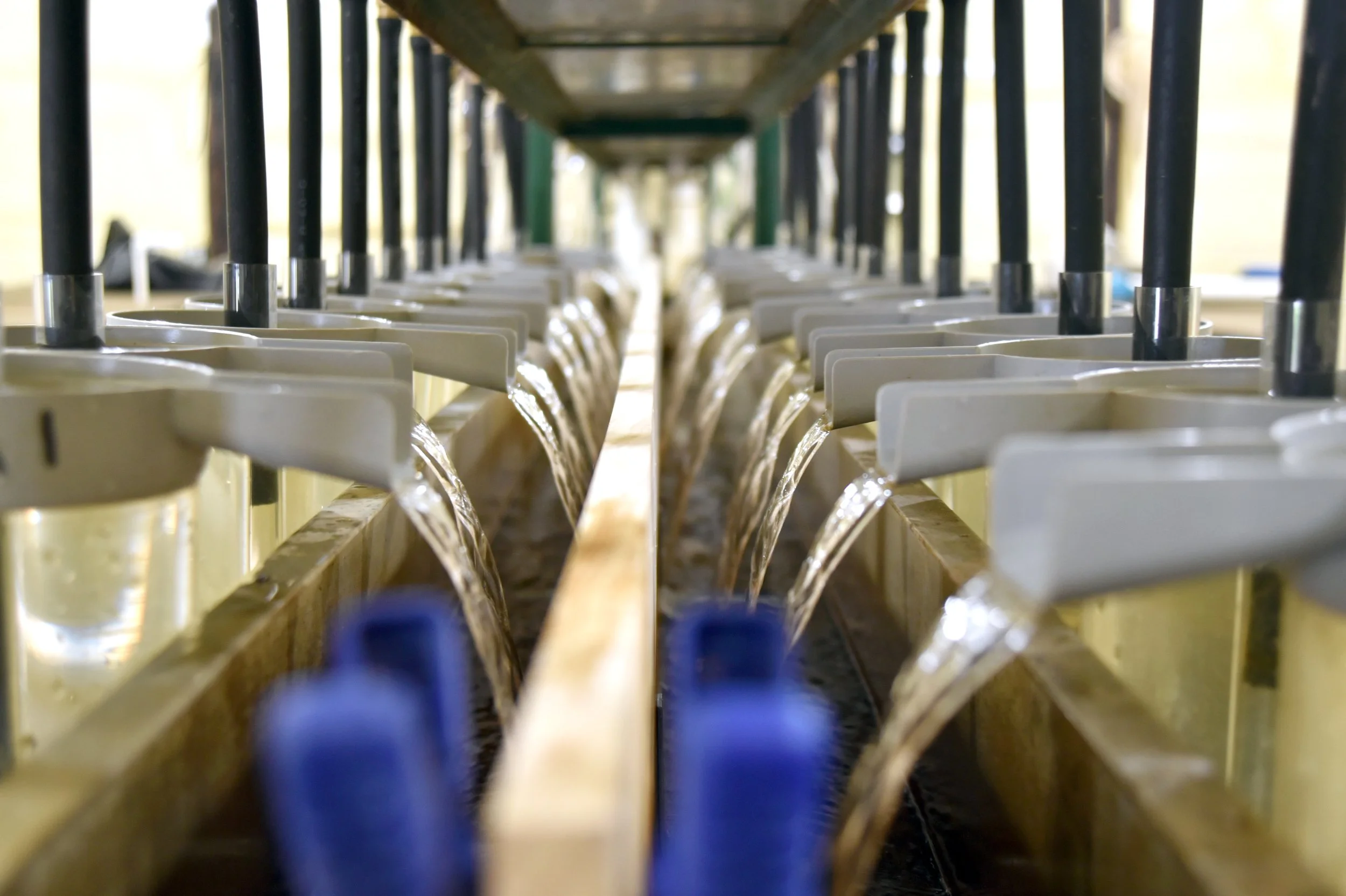
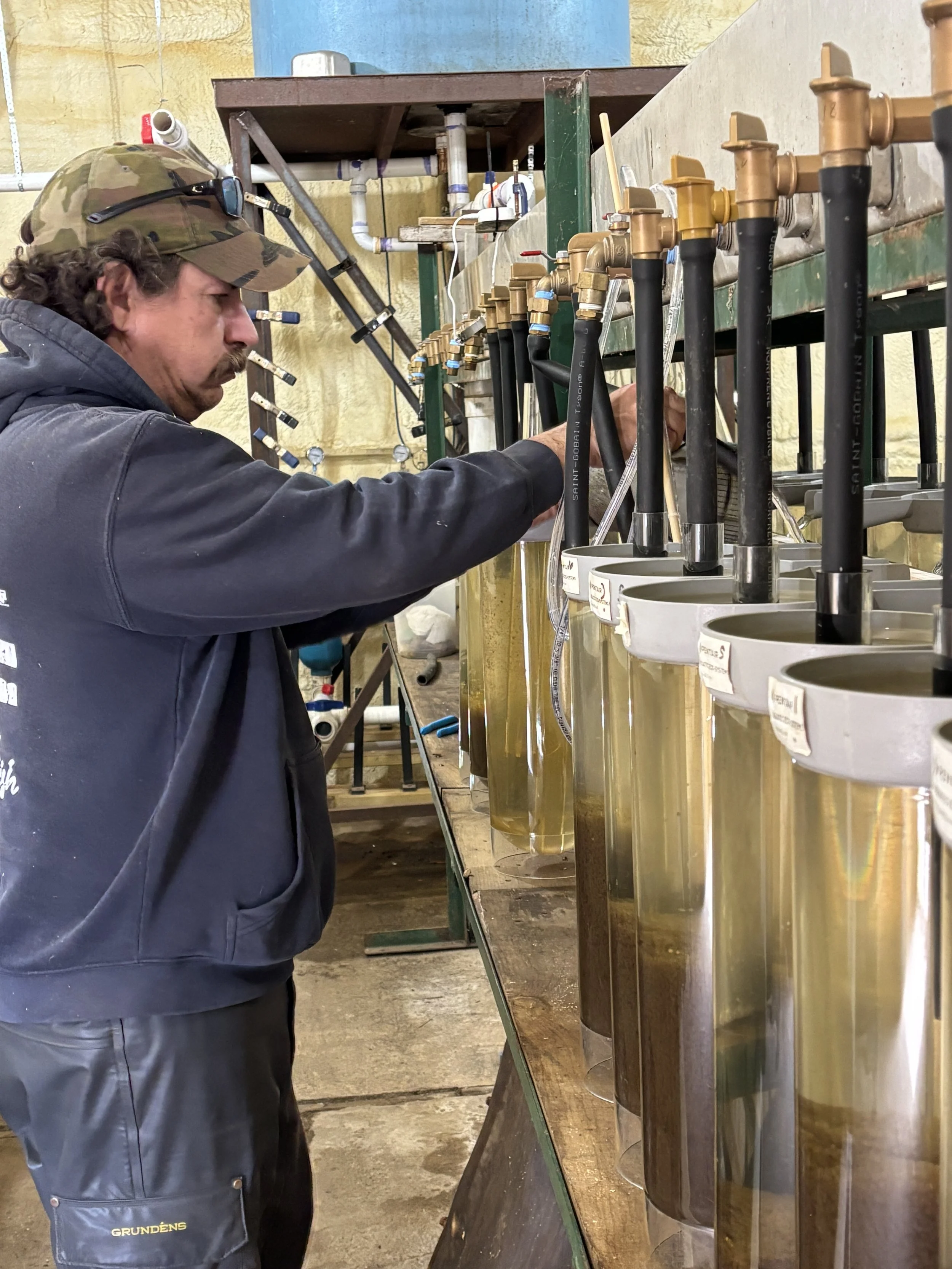
MLBO fisheries biologists first began work with the hatchery in 2016 when they received some surplus funding from a grant through the Bureau of Indian Affairs. They began purchasing used equipment from other hatcheries and have been refining the production equipment every year since then. This year, the team has made vast improvements to the hatchery which include better filtration, better water quality, internet, and heat.
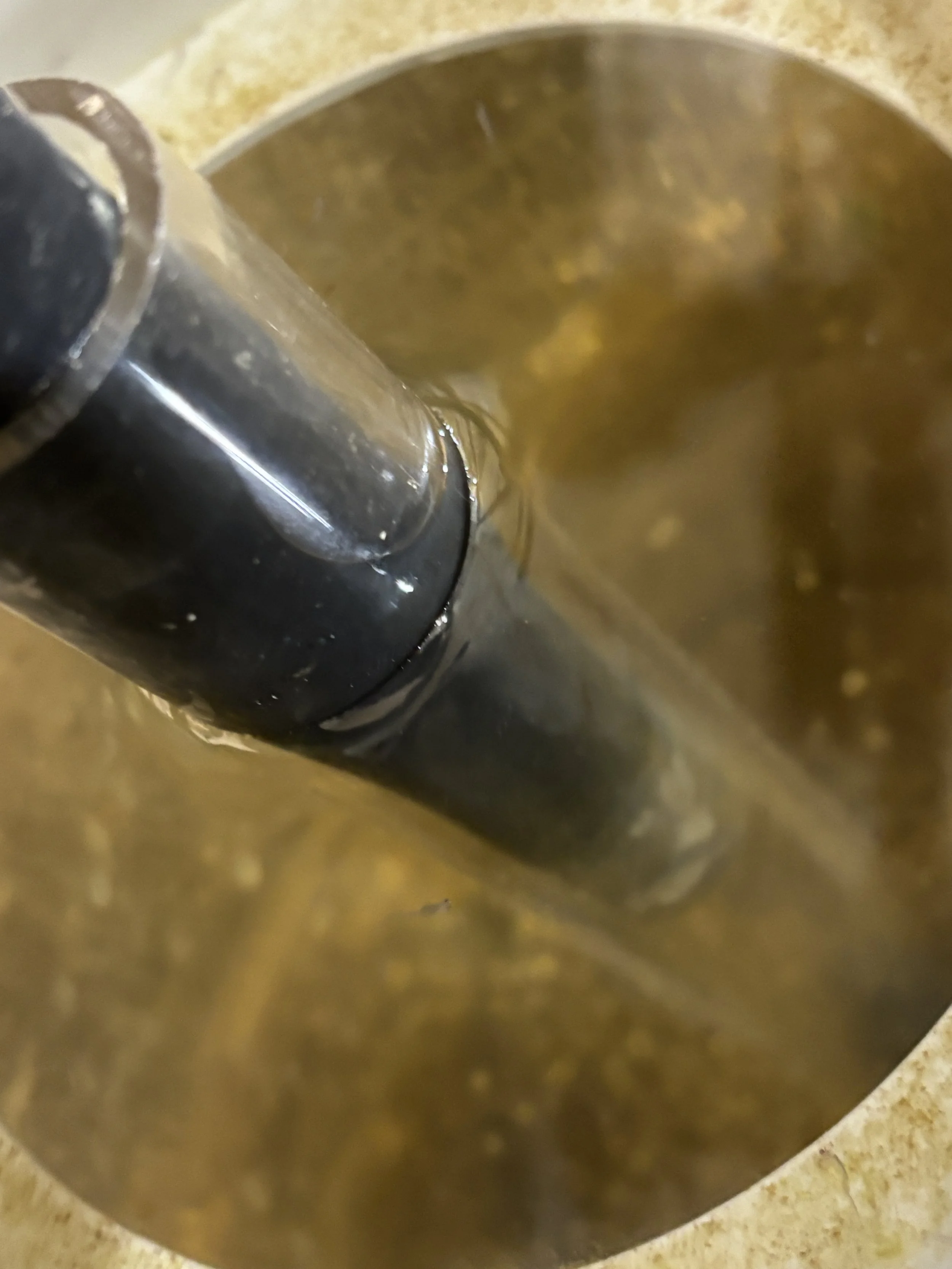
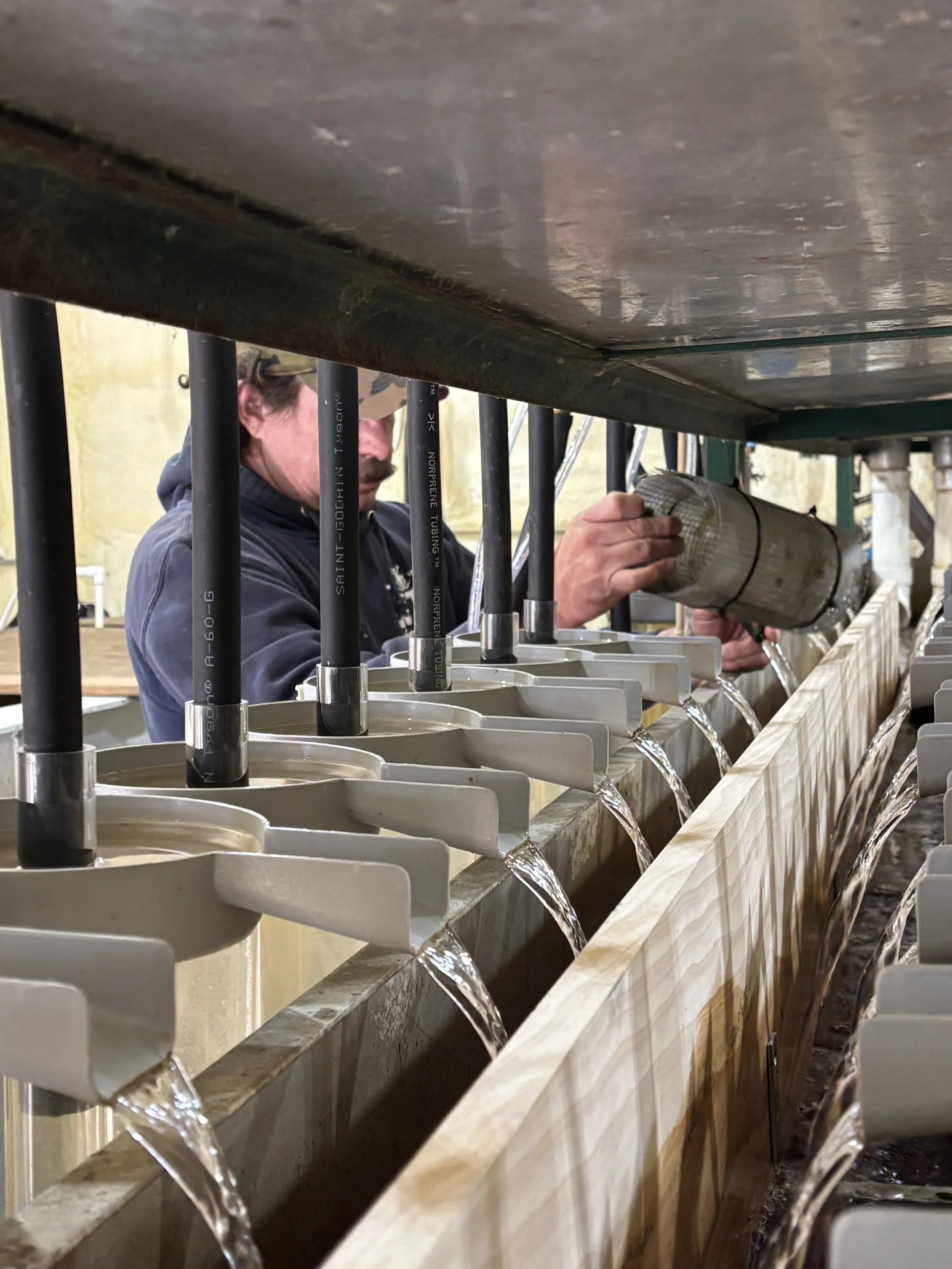
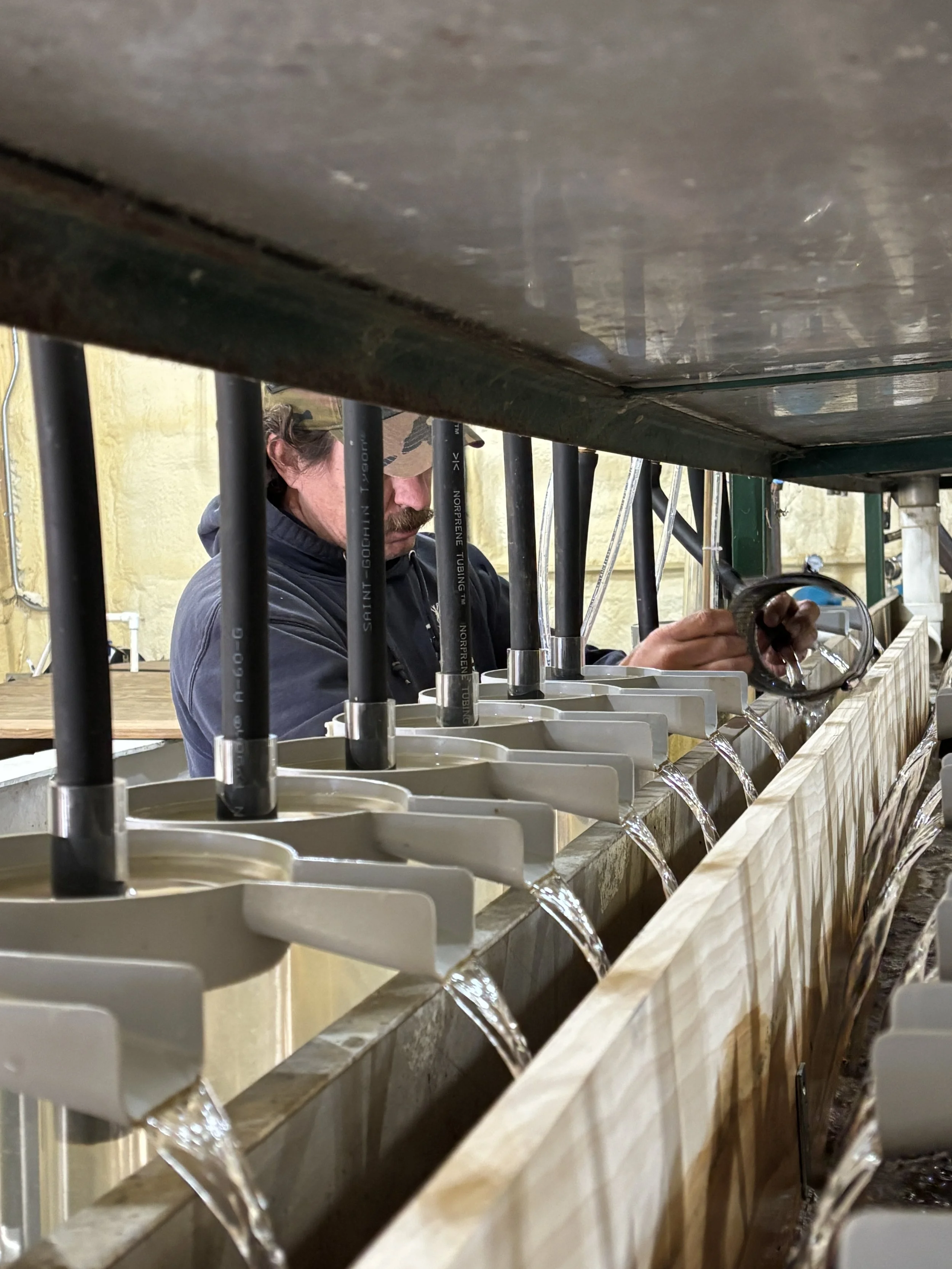
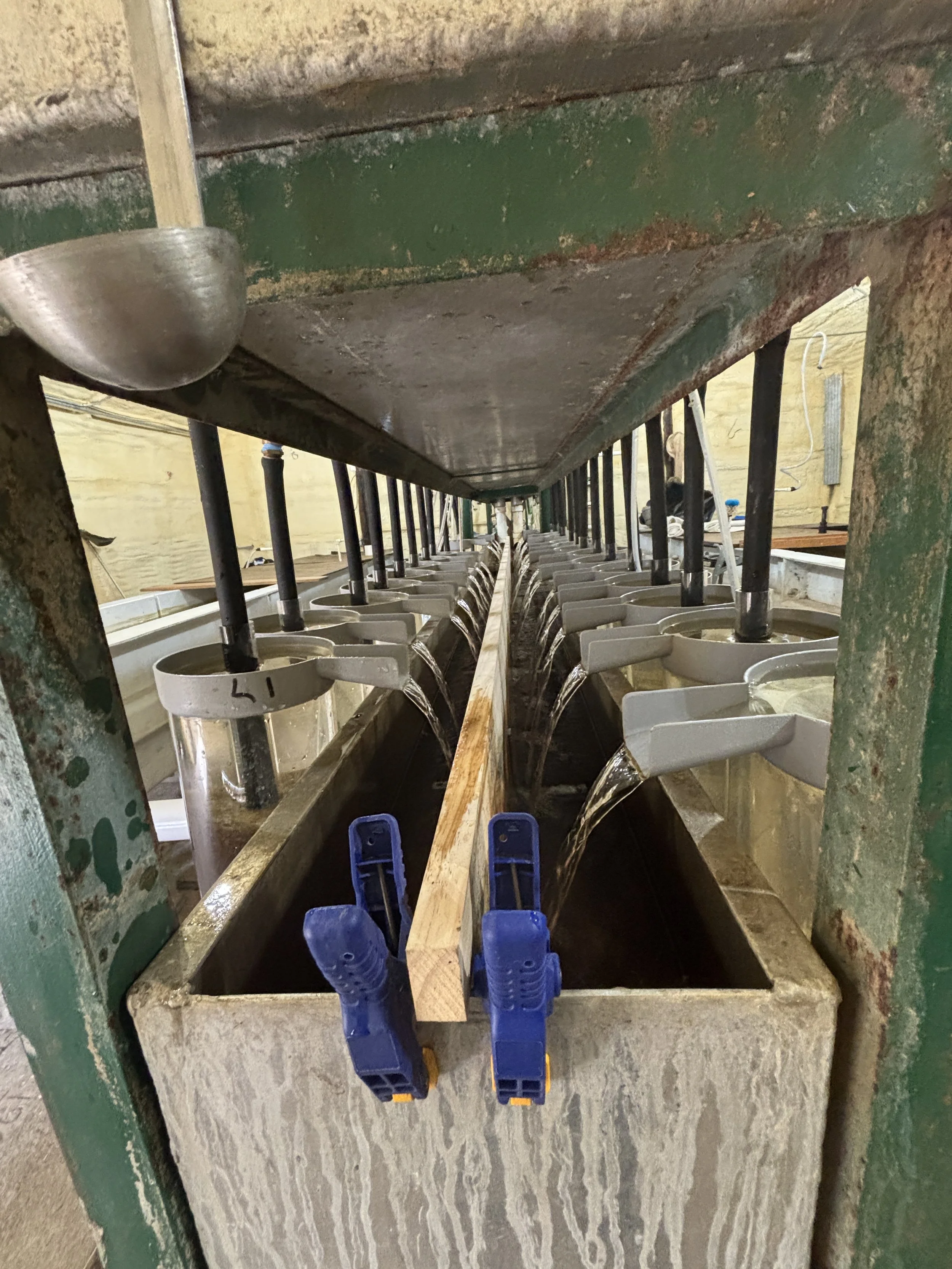
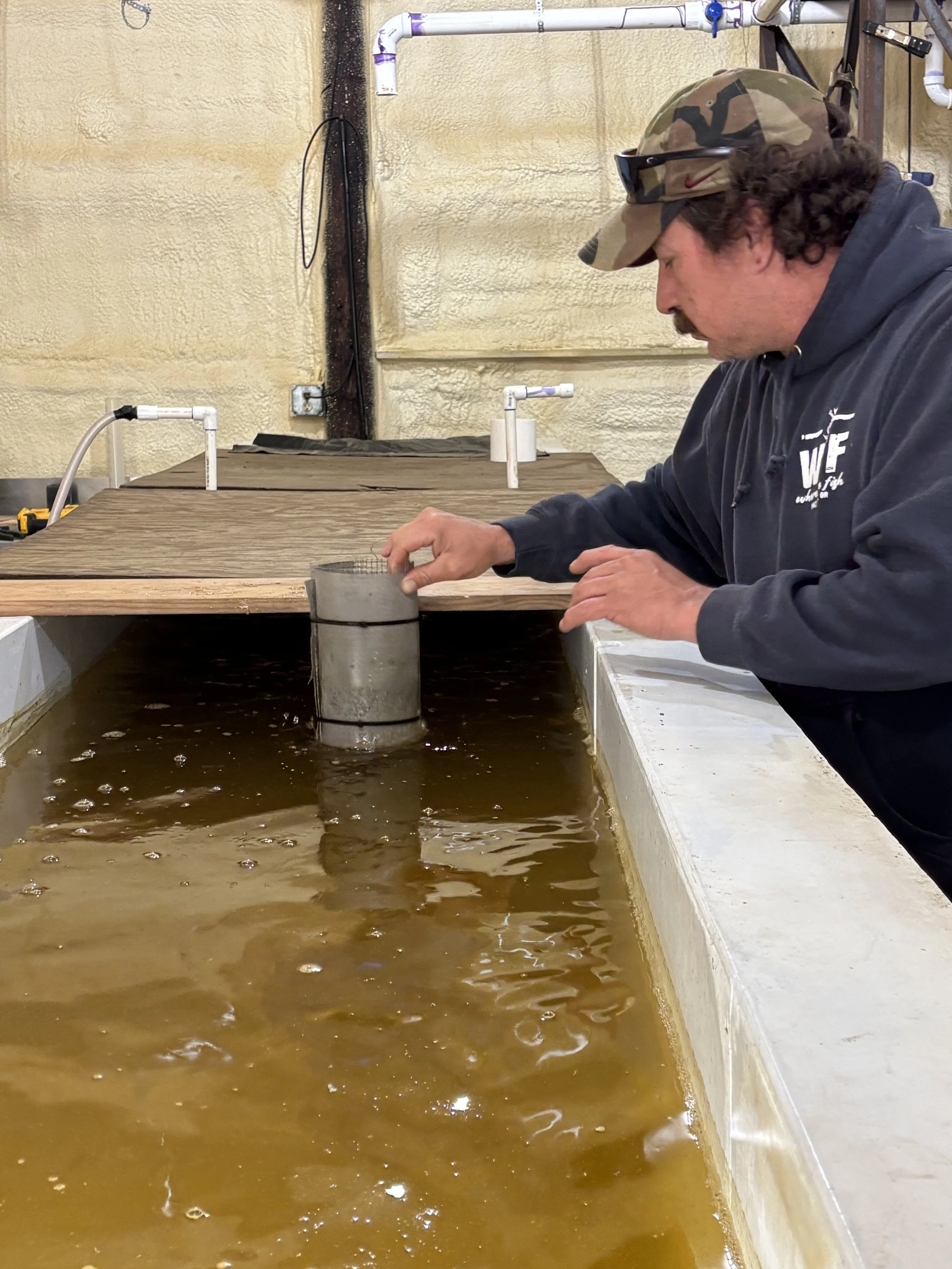
Water is pumped from nearby Shakopee Lake, filtered, and circulated through the hatchery system. Each hatching tube has the potential to produce as many as 3 million walleye fry. While an estimated 95% will not survive after release due to predation from larger fish and other natural factors, the remaining 5% can have a significant impact on area lakes and tribal fishing opportunities.
WHERE DO THE EGGS COME FROM?
In early spring when the tribal harvest season begins, the collection of eggs and milt (fish sperm) also begins. As harvesters return to shore with their catch, each fish harvested is counted, weighed, measured, and sexed. The information is recorded on the spot at the landing by creel staff and reported to the state and the Great Lakes Indian Fish and Wildlife Commission (GLIFWC). Because every fish is individually documented, tribal harvest numbers are exact rather than estimates.
As DNR staff and creel teams collect data from the harvest, they also collect eggs from females and milt from males. The eggs and milt are mixed to initiate the fertilization process for propagating.
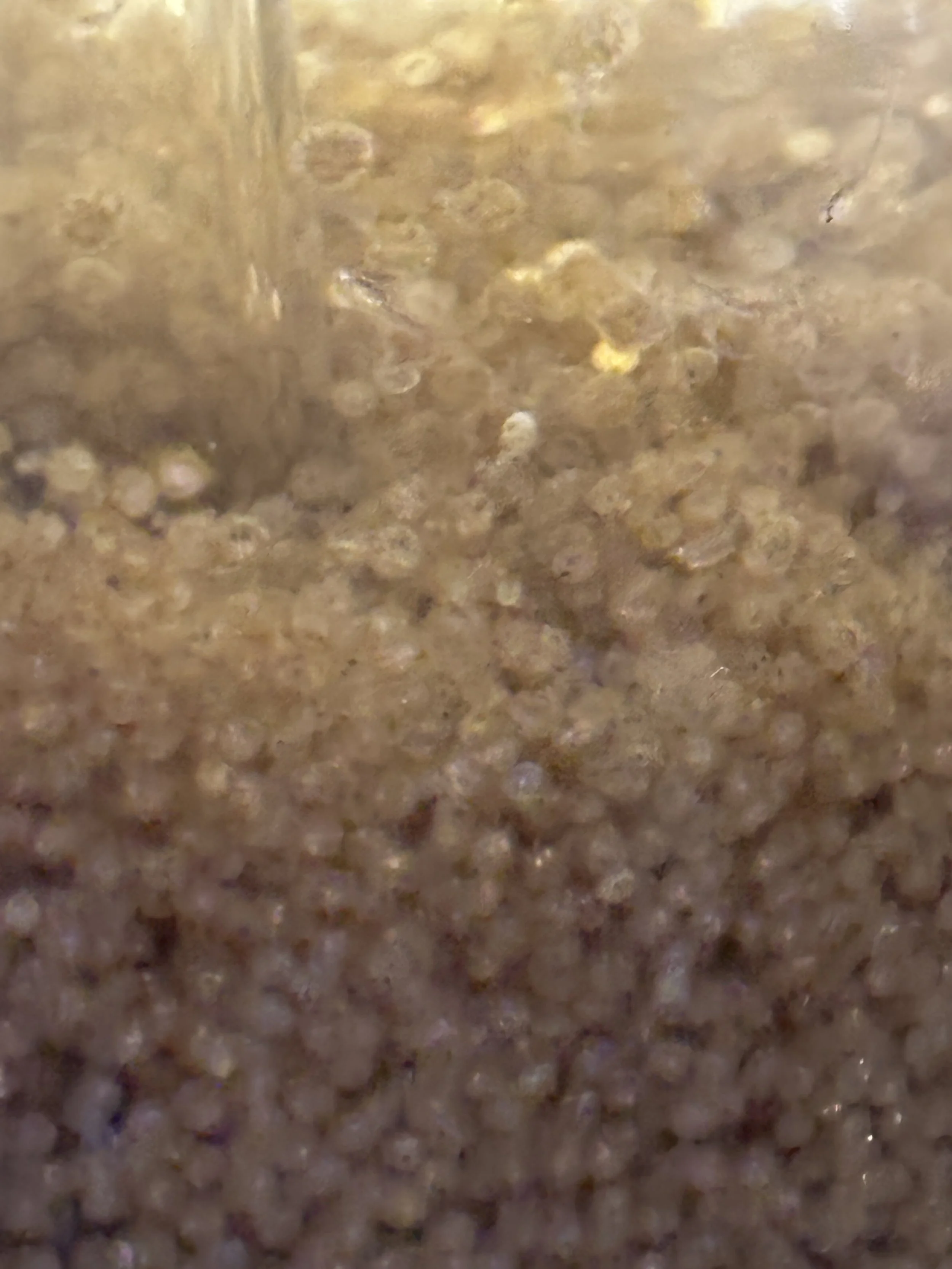
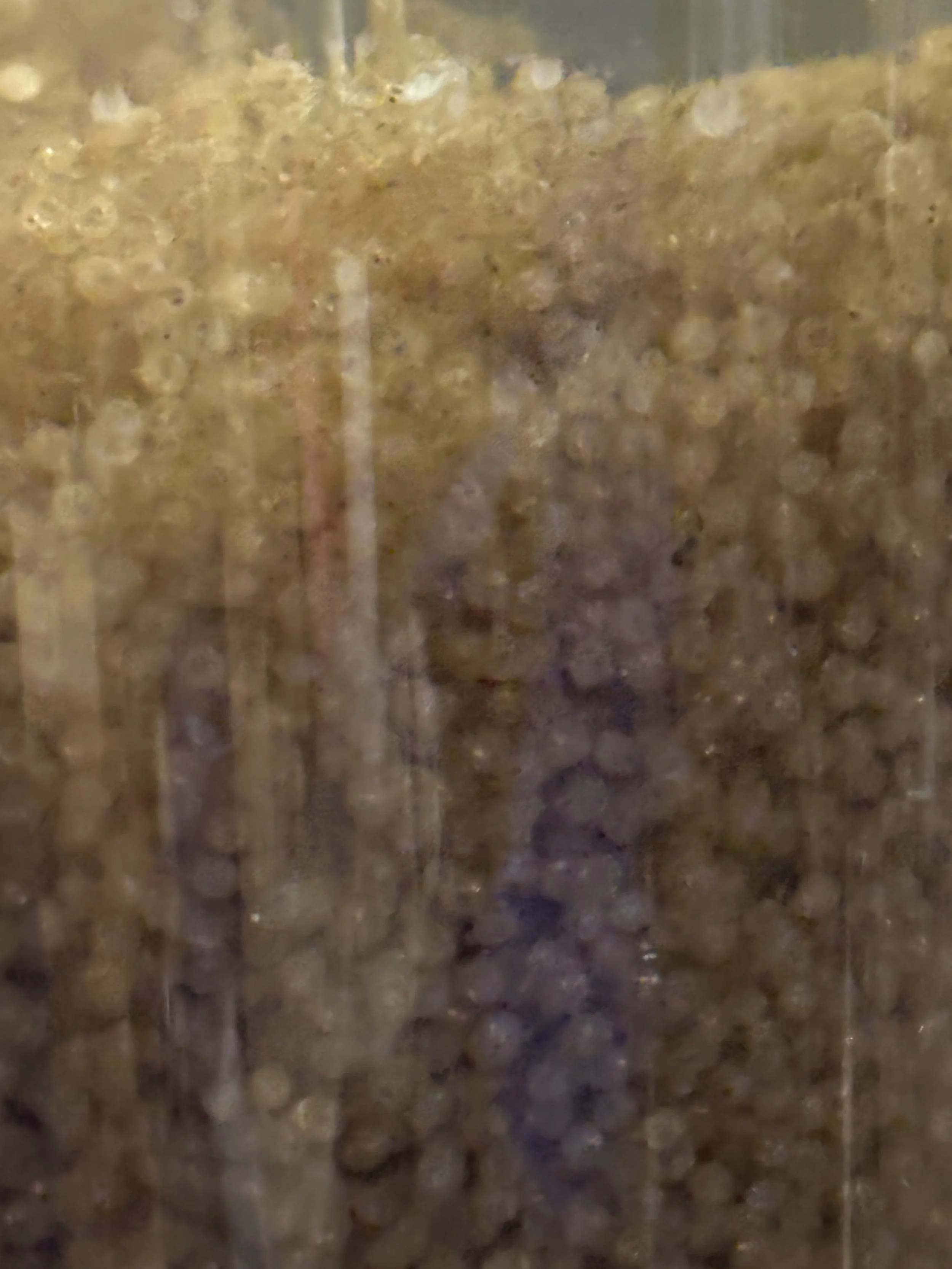
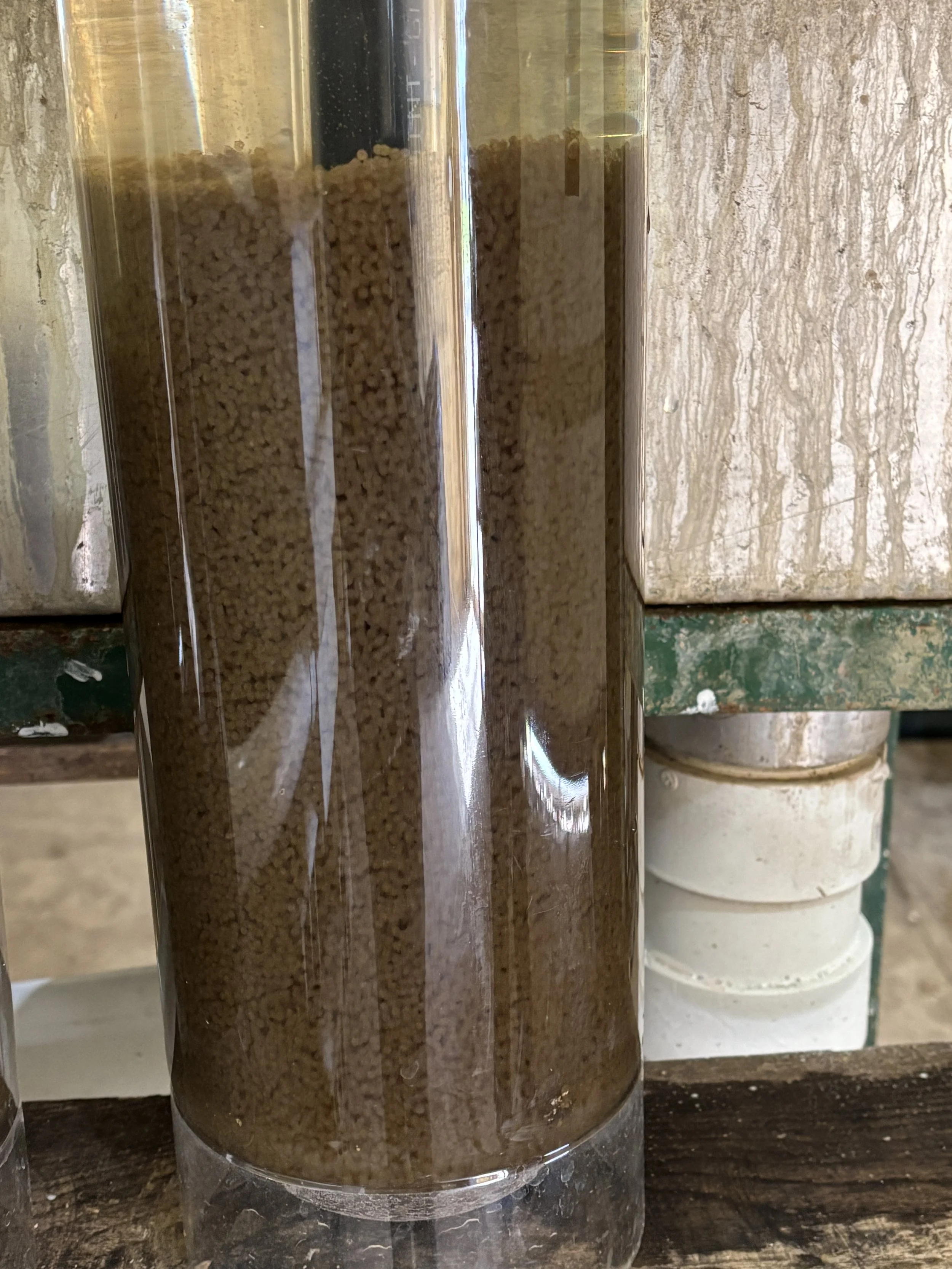
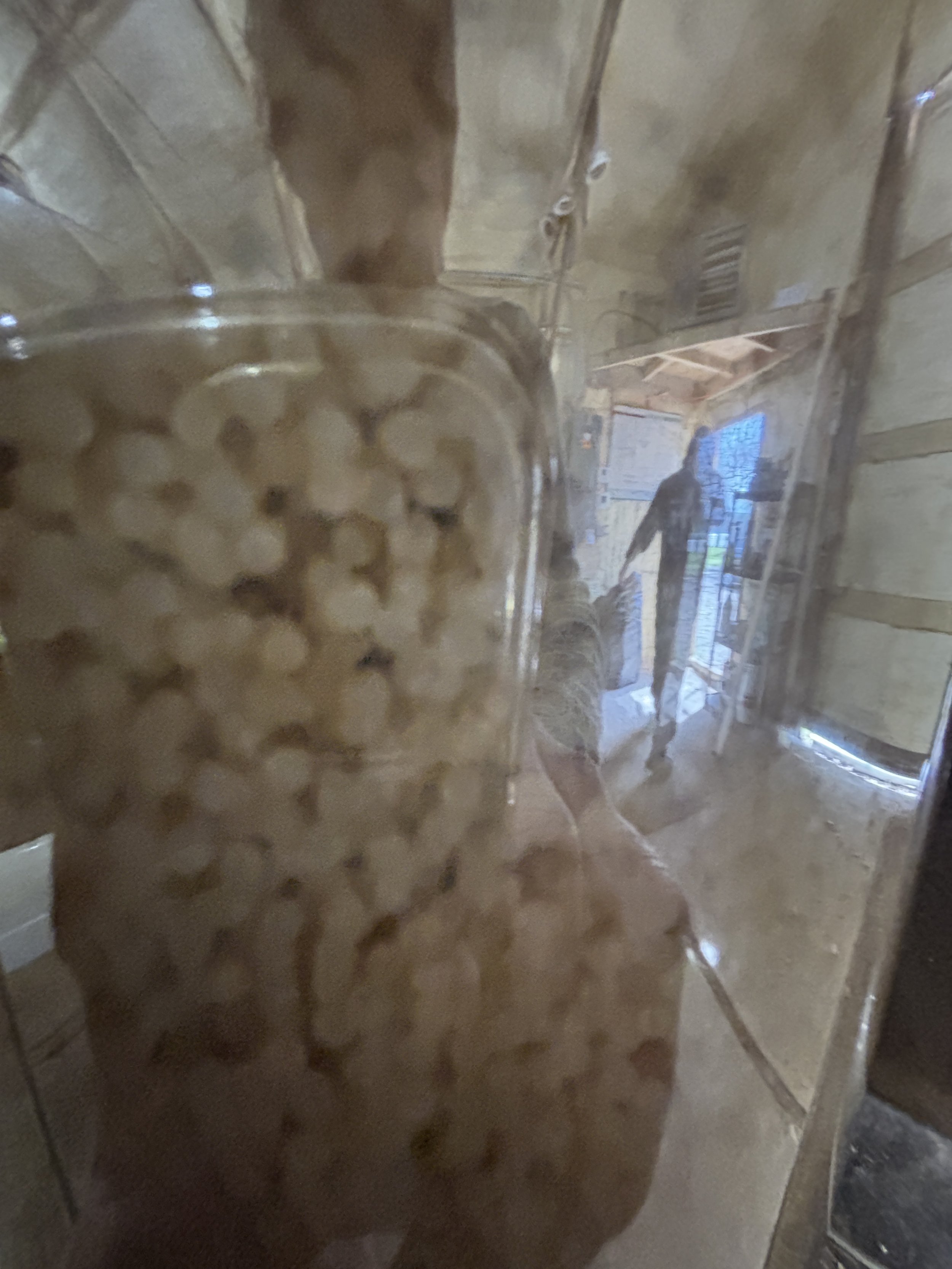
Once fertilized and cleaned, the eggs are moved to the hatchery. The eggs are placed into hatching jars that receive a constant flow of fresh, oxygenated water. This continuous flow creates a gentle "rolling" motion that keeps the eggs aerated.
"You see those little black specks inside the eggs? Those are the eyes of the walleye," Wiggins said.
Eggs require about 400 "temperature units" to hatch. This takes anywhere from 9-15 days depending on the water temperature. By heating the hatchery building, staff is able to maintain a steady temperature.
New improvements this year include internet access to the hatchery, allowing staff to remotely monitor water conditions and equipment. Wiggins can now check hatchery operations through an app on his phone when he is away from the facility.
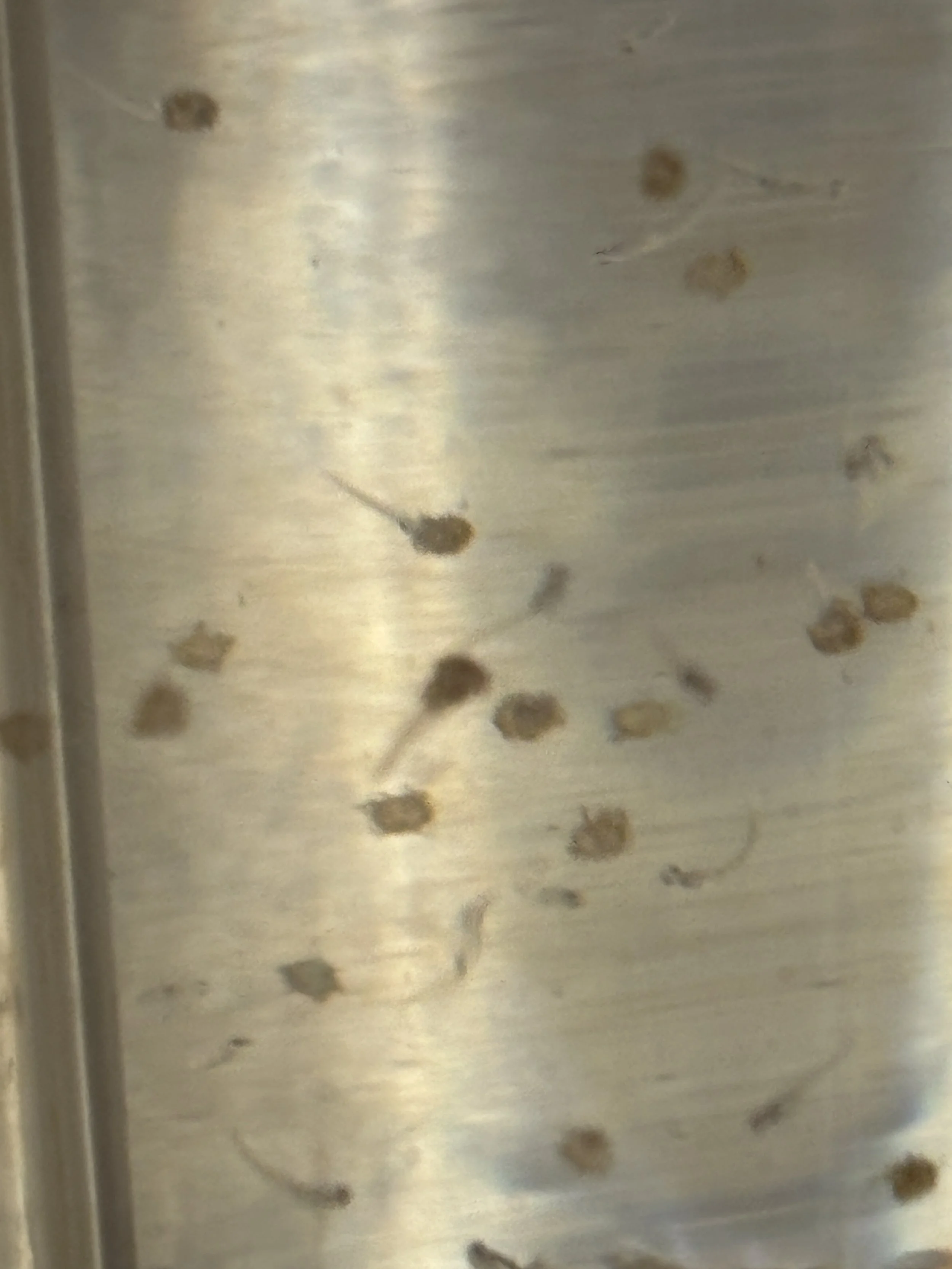
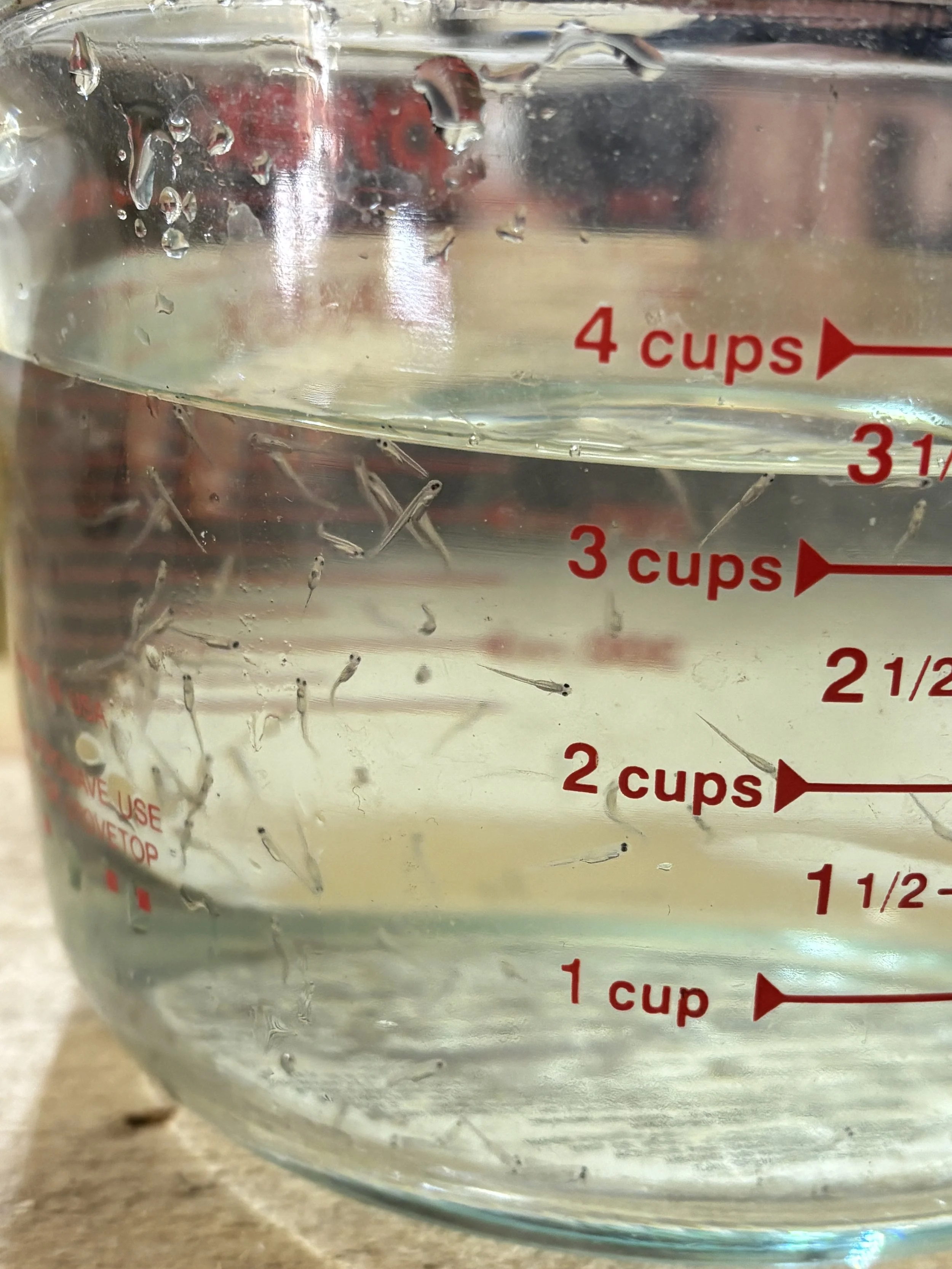
Once the eggs hatch, fisheries staff must decide where the fry can be safely stocked. The fry have been released in a limited number of lakes, NR biologist Carl Klimah said. The lakes included, Sullivan, Shakopee, and Nammachers as well as the holding ponds and lakes on the MLB Cultural Grounds. "The few stocked lakes with walleye fry is mainly due to invasive species spreading risk," Klimah said. "We mainly still do fingerling production but are working on improving our invasive species protocols for 2027 so we can stock more lakes with fry. The reason our fry stocking is limited is because we pump water from Shakopee Lake, which is connected to Mille Lacs Lake, thus increasing our invasive species spreading risk."
None of the fry or fingerlings raised through the Mille Lacs Band hatchery are stocked into Mille Lacs Lake. According to fisheries biologists, that decision is based on science rather than a lack of fish. Both tribal and state fisheries managers agree that Mille Lacs Lake continues to produce strong natural walleye reproduction on its own and does not require supplemental stocking.
Decisions about stocking, harvest levels, and fisheries management are made within a unique co-management system that has developed over decades between Ojibwe tribes exercising treaty rights and the Minnesota Department of Natural Resources.
That relationship is rooted in the Treaty of 1837 and was reaffirmed by the U.S. Supreme Court in 1999 in the landmark case Minnesota v. Mille Lacs Band of Chippewa Indians. In a 5-4 decision, the Court held that the Mille Lacs Band and other Ojibwe tribes retained their treaty-reserved hunting, fishing, and gathering rights in the ceded territory. The case began when the Mille Lacs Band filed suit in 1990 and ultimately resulted in the affirmation of treaty rights for eight Ojibwe bands in Minnesota and Wisconsin.
Today, the GLIFWC, tribal biologists, and the Minnesota DNR work together to help manage Mille Lacs Lake. Through the Fisheries Technical Committee, biologists review population surveys, harvest data, and other scientific research to establish annual safe harvest levels for species including walleye, northern pike, yellow perch, cisco, and burbot. Those harvest levels are then allocated between state recreational anglers and tribal harvesters.
"Managing a world class ogaa fishery like Mille Lacs is not an easy task, and I'm very proud of the work and level of expertise that our fisheries department has developed. Our hatchery is part of the work to keep our fisheries vibrant and give back to the systems that sustain us," said Kelly Applegate, Commissioner of Mille Lacs Band Natural Resources.
For fisheries staff, the hatchery is just one part of a broader effort to protect fish populations and ensure future generations can continue exercising treaty-reserved fishing rights while maintaining a healthy fishery for everyone who depends on Mille Lacs Lake.
Looking into a jar filled with thousands of tiny ogaa eggs, it's easy to see only the next generation of walleye. But long before the eggs hatch and long after the fry leave the hatchery, the work continues. From monitoring fish populations to collecting eggs, raising fry, and stocking lakes, each step is part of a larger commitment: ensuring future generations will be able to fish, harvest, and exercise treaty rights for years to come.