October 29, 2026
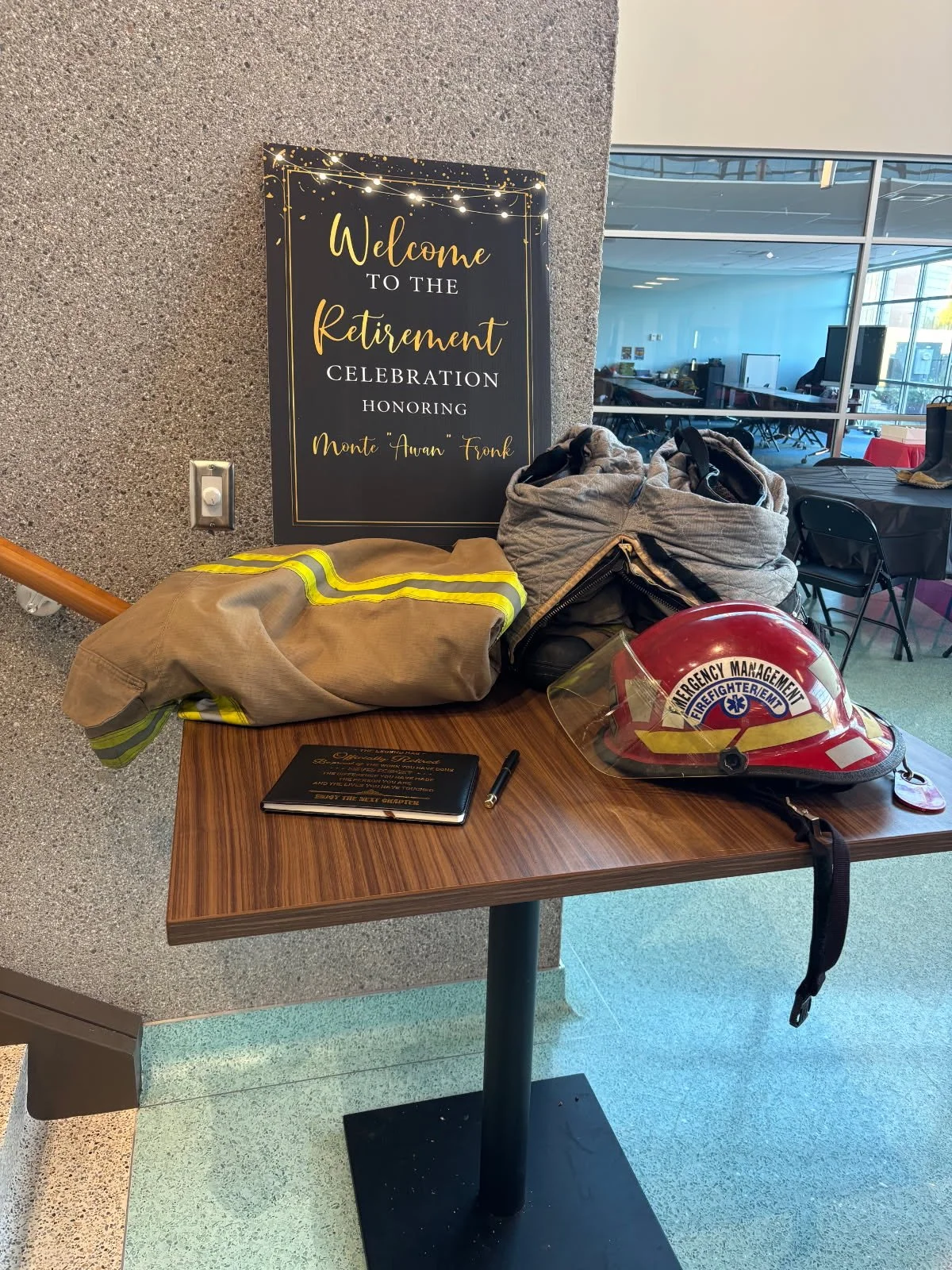
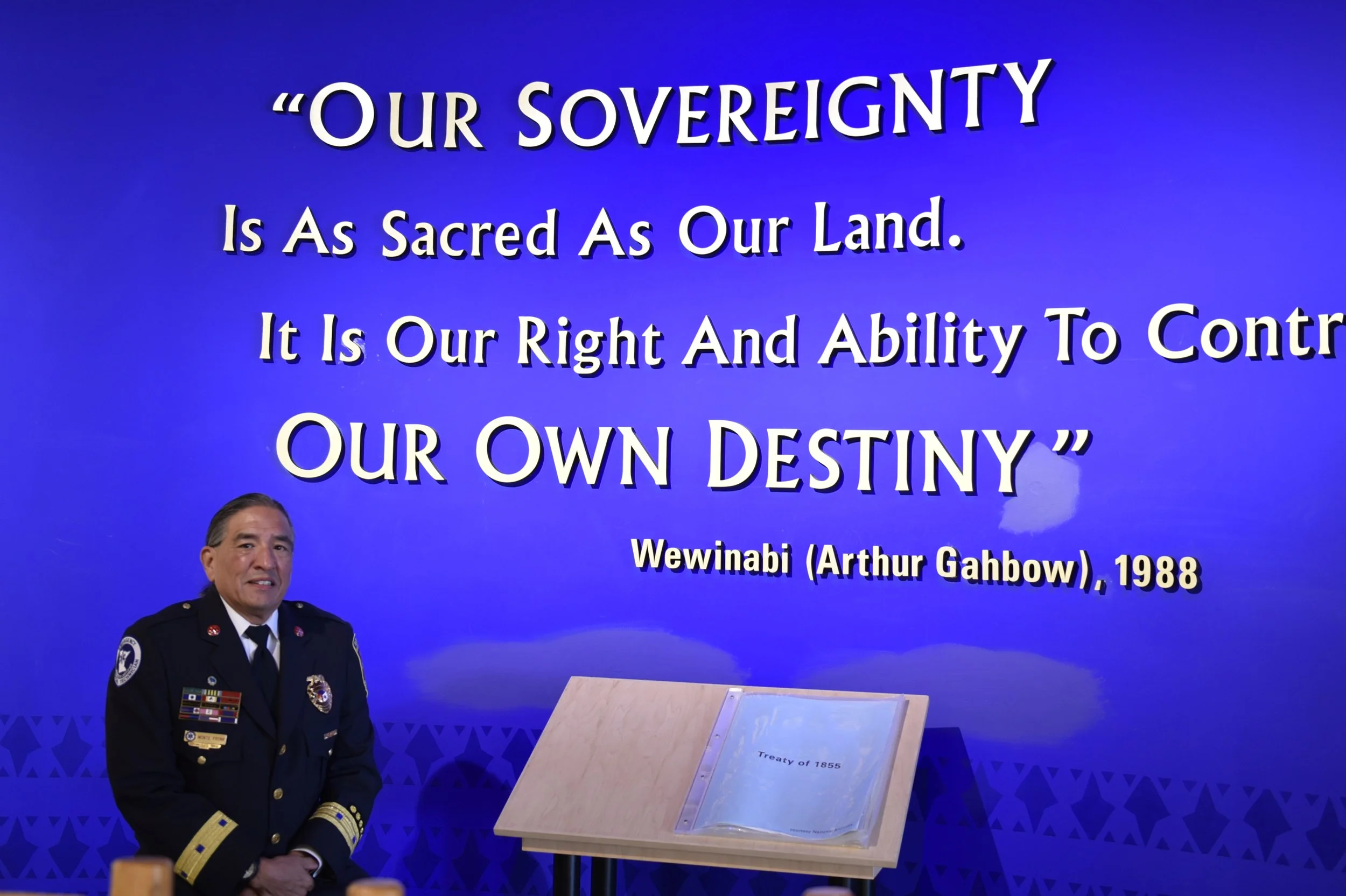
Monte Fronk retires after 35 years of service to the Mille Lacs Band communities
By Vivian LaMoore, Inaajimowin Editor
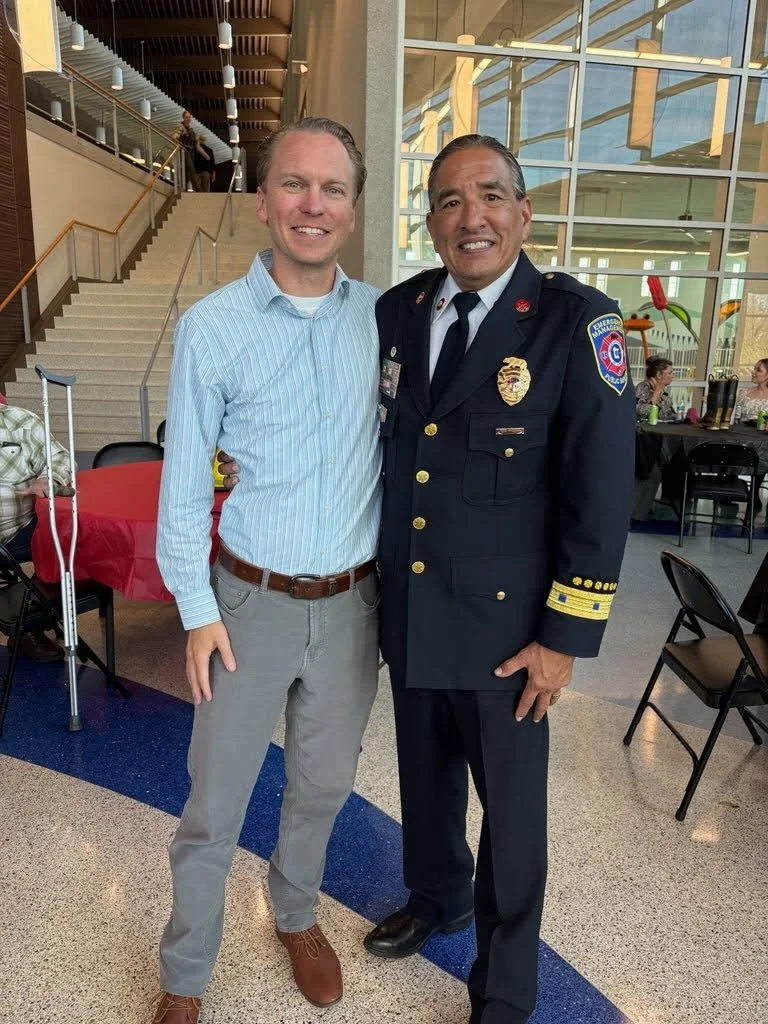
When Monte Fronk joined the Mille Lacs Band Tribal Police Department in 1991, he was a 23-year-old officer hoping to serve the community where his family had deep roots. Thirty-five years later, after a career spanning law enforcement, emergency management, firefighting, and community outreach, he retired with one question still on his mind: Had he lived up to the expectations of the drum keepers who hired him?
An enrolled Red Lake Nation member with family ties to Chiminising, Fronk joined the newly established three-officer department under Chairman Art Gahbow. His interview panel included drum keepers and Ogichidaag, respected warriors and community leaders who wanted officers committed to serving Band members both on and off duty.
"They were humble but powerful and very spiritual in asking questions," Fronk recalled. "I was 23 years old and I questioned whether or not I could meet their expectations."
He left convinced he would not be hired. Instead, he became part of a department that would help establish the Band's public safety presence during a time of growth and treaty rights tensions.
Gahbow emphasized the importance of being peace officers, not simply law enforcement officers. Fronk credits Gahbow and other early leaders with building the foundation for today's Tribal Police Department.
"To be the fledglings of tribal police and know that it did not fail is unique," he said.
Mille Lacs Tribal Police Chief James West said Fronk's dedication continued long after he left patrol duties.
"Through my experience knowing and working with Monte he has always been a conduit between Band Departments working toward the betterment of the Mille Lacs Band Communities," West said.
West noted that Fronk served in numerous capacities throughout his career and said his commitment to public service will be missed.
BUILDING A FOUNDATION FOR EMERGENCY RESPONSE
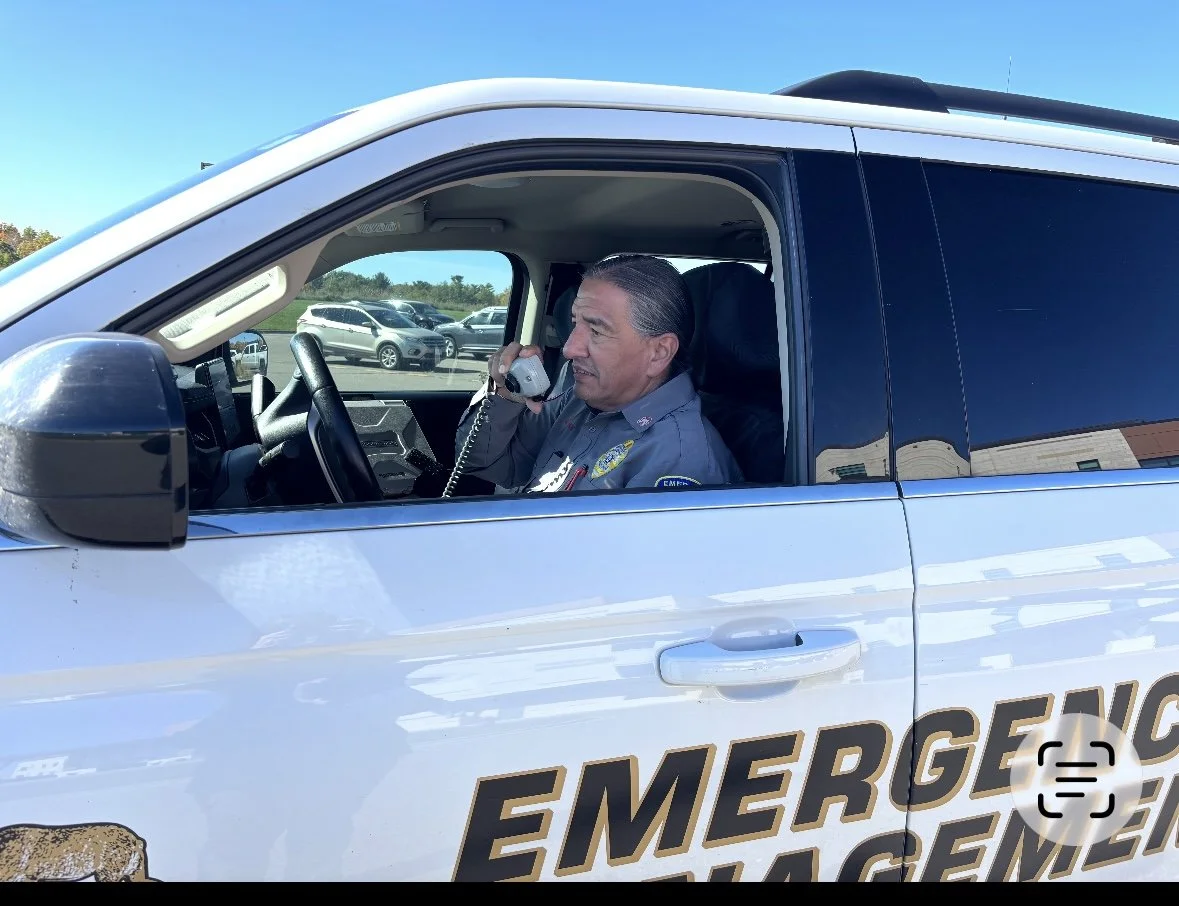
Around 2000, Fronk moved from tribal policing into emergency management when the Band received federal funding to establish a program. With few existing models for tribal governments, he began developing emergency plans, coordinating departments, and building relationships with federal, state and local agencies.
"There was no 'how-to' guide," Fronk recalled.
A major part of his work involved establishing the Tribal Emergency Response Committee (TERC), bringing Band leadership and departments together to prepare for and respond to emergencies.
Fronk emphasized that his role was never to direct elected officials or department leaders. Instead, he gathered information from emergency responders, assessed developing situations and helped leadership make informed decisions.
“My job was to inform them from the boots on the ground what was happening," he explained.
He credited then FEMA tribal liaison Bill Sullincas with helping train Band leadership and TERC members in emergency response procedures and their respective responsibilities.
The program's value became evident during emergencies, including flooding in District I|, severe storm damage in District Ill and the COVID-19 pandemic. Each event tested the Band's ability to coordinate resources, communicate across departments and respond to community needs.
'We learned that all of our relatives are resilient and we find ways to take care of ourselves in those hard times," Fronk said.
Today, TERC remains an important part of the Band's emergency preparedness and response system. The foundation Fronk helped establish, along with the knowledge and relationships he developed over the years, will continue to help guide its next chapter. The Band's approach to tribal emergency management has also served as a model for other tribal nations.
RELATIONSHIPS BEYOND BOUNDARIES
Fronk understood that effective emergency response depended on relationships with neighboring agencies.
Around 2002, he joined the Garrison Fire Department, where Greg Erickson, now a retired fire chief, was serving as training officer. Erickson remembers Fronk as an enthusiastic young officer who was eager to learn and willing to put in the work.
I was the training officer when Monte first started working with our department, and what stood out was his enthusiasm and genuine desire to help people," Erickson recalled.
"He trained alongside our firefighters, learning the skills and responsibilities that come with responding to emergencies. He was willing to listen, ask questions, and learn from the experience of others."
Erickson said Fronk became an important liaison between the department and the Band. "Having someone who understood both communities and the importance of working together made a real difference," Erickson said. "Emergency situations don't recognize jurisdictional boundaries, and building those relationships before an emergency happens is just as important as the training itself."
By retirement, Fronk had earned 18 fire and emergency medical services certifications and developed partnerships with emergency responders throughout the region.
One of his greatest honors came in August 2016, when two wildland firefighters from Michigan's Keweenaw Bay Indian Community were killed in a vehicle crash in Blaine while traveling to fight a wildfire in Utah.
Alan "A.J." Swartz, 25, and James "Jimmy" Shelifoe Jr., 23, were members of the Beartown Firefighters crew. Fronk helped coordinate their return home for traditional funeral services, assisting with a 362-mile procession from Minnesota to Michigan. The National Fallen Firefighters Foundation described it as the longest line-of-duty-death procession in fire service history.
Fronk considers helping bring the two young men home one of the greatest honors of his career.
HELPING RELATIVES BEYOND EMERGENCIES
Fronk's work expanded into Community Risk Reduction as a result of responding to 911 calls and encountering families without smoke alarms, fire extinguishers, carbon monoxide detectors, or appropriate child safety seats.
With leadership's support, he helped provide safety equipment and education, including CPR, first aid and automated external defibrillator training.
"Those unmet needs were there, and I was allowed to find resources to meet those needs. I was allowed to expand what I do to be of service to my relatives," he said.
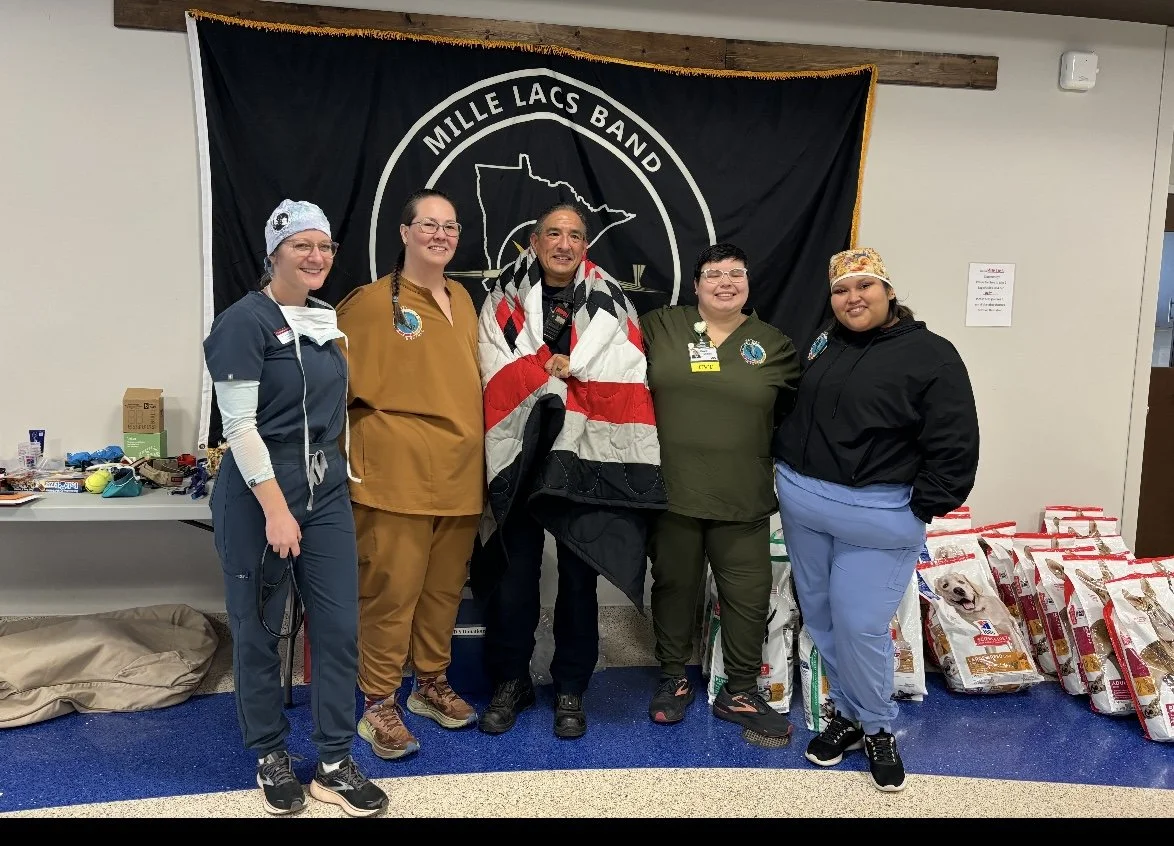
For approximately 17 years, he also coordinated veterinary clinics with the University of Minnesota's Student Initiative for Reservation Veterinary Services and other partners, bringing care to pets throughout Band communities.
"The TPD days were the foundation — the first step," Fronk said. "The most meaningful work of service to the Band and all my relatives has been since 2000. That was the greatest gift."
SERVICE THROUGH PERSONAL LOSS
Some of Fronk's most difficult experiences came outside his professional duties.
His daughter, Nada, was kidnapped and trafficked before being rescued with assistance from Fronk's brothers and sisters in the law enforcement agencies throughout the state. Tragically, as she rebuilt her life, she was murdered in her home.
Fronk remembers the support from the Band community, fellow first responders and friends. He spoke with particular gratitude about the late Marvin Bruneau, whose friendship and compassion helped him through his daughter's death.
"He cared. He called. He cared," Fronk recalled. "I'll never forget that this community was there for me in my darkest time."
Following Nada's death, Minnesota Lt. Gov. Peggy Flanagan personally called Fronk to express her condolences. He said she later asked him to serve as the first chair of the advisory council for the state's newly established Office of Missing and Murdered Indigenous Relatives (MMIR), within the Minnesota Department of Public Safety.
The role allowed Fronk to combine his public safety experience with his family's tragedy to advocate for other Indigenous families.
His career also brought memories of lives lost during emergencies, including the COVID-19 pandemic. But he remembers the lives saved, too.
One especially meaningful experience involved his friend Wayne Kewitsch, former Richfield fire chief, who suffered cardiac arrest while driving on Highway 169. Fronk helped save his life.
"We always remember the ones we lost and we often forget the ones we save. But that one I will always remember," Fronk said.
A PROMISE KEPT
Chief Executive Virgil Wind praised Fronk's decades of service, recognizing his commitment to helping families during emergencies and his willingness to serve people both within and beyond the Band's communities.
"I have always said that one of the greatest strengths of the Mille Lacs Band is the people who dedicate their lives to serving our communities," Wind said.
He noted that Fronk began his career under the leadership of Art Gahbow and served in numerous public safety roles over the next 35 years.
'Whether serving as a Tribal Police Officer, working in emergency management, or responding to emergencies as an EMT, Monte has been someone our families could count on, often during some of their most difficult moments."
Wind said Fronk's commitment to helping others extended beyond the Band's boundaries. "He has always been willing to lend a hand to anyone who needed it, Band member or not."
For Wind, the significance of Fronk's career is measured not only in years of service but in the countless people and families he helped along the way.
"When I think about Monte's service, I think about all the families he has helped, the emergencies he has responded to, and the difference he has made simply by being there when someone needed him," Wind said.
Wind thanked Fronk on behalf of the Mille Lacs Band and those he served throughout his career.
"Monte, you have given so much of yourself to our people and our communities, and I want you to know that your years of service have not gone unnoticed."
Yet, for Fronk, the greatest reward was the opportunity to serve.
"Everything happened for a reason. Everything fell into place for a reason," he said. "And what a joy it has been to be of service to our community. It has been a gift."
As he reflected on his retirement, his thoughts returned to that interview in 1991 and the drum keepers who wanted officers dedicated to their people. Thirty-five years later, their expectations still mattered deeply.
Holding back tears, Fronk reflected on the promise he had carried throughout his career.
"I just hope wherever they are in the spirit world, I hope I did what they asked."
** Giga-waabamin, Monte. Chi-miigwech gakina gegoo gaa-izhichigeyan!